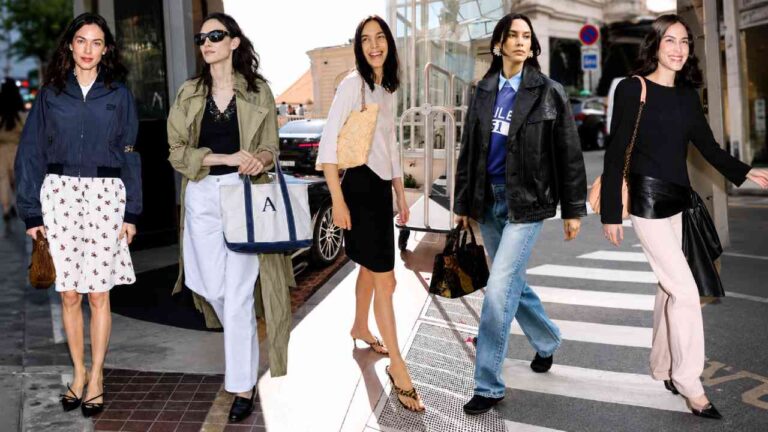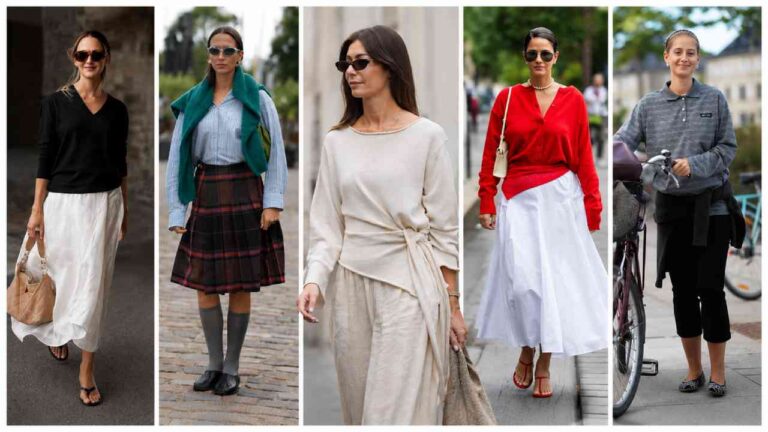
Beauty Rival – J.Crew Basics have long belonged to the dependable side of a wardrobe. Think crisp shirts, relaxed trousers, simple skirts, lightweight knits, and easy layering pieces. However, those familiar staples can look completely different when placed beside experimental fashion. Instead of building a traditional head-to-toe preppy outfit, modern styling can use classic pieces as a quiet foundation. A sculptural jacket, unconventional shoe, or dramatic accessory then becomes the focal point. This contrast creates an outfit that feels intentional rather than predictable. More importantly, it proves that basics do not need to dictate one specific aesthetic. Their simplicity can actually become an advantage. When the foundation remains clean, unusual shapes and textures have more room to breathe. Therefore, the interesting question is no longer whether classic clothing belongs beside avant-garde fashion. Instead, it is how creatively those two visual languages can work together.
Read Also: Fall/Winter 2026 Boot Trends Blend Practicality with Modern Style
Classic Pieces Become a Canvas for Experimental Fashion
A basic garment rarely competes for attention, and that quality makes it useful in a more adventurous wardrobe. For example, a simple black skirt can ground an oversized jacket with dramatic proportions. Likewise, a white shirt can soften a highly textured skirt or unusual pair of shoes. J.Crew Basics work particularly well in this role because many pieces rely on familiar silhouettes and wearable fabrics. As a result, they can create visual breathing room around stronger items. This approach also makes experimental fashion easier to wear outside editorial settings. A sculptural garment may initially feel difficult to style. Yet pairing it with something recognizable can immediately make the outfit more approachable. In my view, this balance is where modern personal style becomes interesting. The wearer does not need to choose between practical clothing and expressive fashion. Instead, each side can strengthen the other. The basic piece provides stability, while the statement item introduces personality.
High-Low Dressing Makes the Wardrobe More Interesting
High-low dressing remains one of the most effective ways to create an outfit with personality. The concept is simple: combine accessible wardrobe staples with designer, vintage, handmade, or visually unusual pieces. However, successful high-low styling is not merely about mixing different price points. The stronger idea is contrast. A polished skirt can meet unconventional footwear. Meanwhile, relaxed trousers can sit beneath a highly structured jacket. This tension keeps an outfit from looking overly coordinated. It also encourages people to evaluate clothing based on design rather than labels alone. Consequently, J.Crew Basics can become useful building blocks within a wardrobe that includes many different brands and aesthetics. A classic item does not need to be the star of the outfit. Sometimes its most important job is supporting everything around it. Moreover, this approach can extend the usefulness of existing clothes. Instead of constantly replacing basics, wearers can reinvent them through different combinations.
Proportion Can Transform Even the Simplest Outfit
One of the easiest ways to make classic clothing feel more directional is to experiment with proportion. An oversized jacket paired with a high-waisted skirt immediately creates a stronger silhouette. Similarly, wide-leg trousers can look more deliberate beside a compact top. The individual garments may be simple, but their relationship changes the entire outfit. This is especially important when introducing avant-garde pieces. Experimental fashion often exaggerates volume, length, or structure. Therefore, another part of the outfit may need to provide visual balance. A large upper silhouette can benefit from a clearly defined waist. On the other hand, dramatic trousers may work better with a cleaner top. There is no universal formula because body shape, fabric, and movement all influence the result. Still, paying attention to proportion usually creates more impact than simply adding more accessories. With thoughtful proportions, even familiar J.Crew Basics can suddenly appear far more fashion-forward.
Unexpected Accessories Can Rewrite the Mood of an Outfit
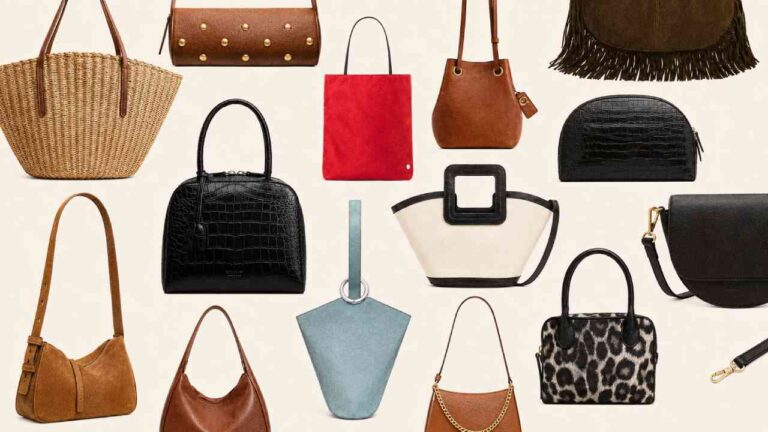
Accessories can change the visual identity of classic clothing faster than almost anything else. Consider a straightforward shirt-and-trouser combination. Add traditional loafers and a structured leather bag, and the outfit moves toward polished prep. Replace them with sculptural shoes, an unusual belt, and oversized eyewear, and the same clothing tells a different story. This flexibility is valuable because it allows people to experiment without rebuilding an entire wardrobe. Shoes are particularly powerful. Ballet flats can create softness, while technical sneakers introduce contrast. Meanwhile, bold jewelry can turn a minimal neckline into a focal point. Bags also matter because unusual materials or shapes can disrupt an otherwise conventional outfit. However, restraint remains useful. If every accessory competes for attention, the styling may lose its hierarchy. Therefore, one or two unexpected elements are often enough. The goal is not to make basics disappear. Instead, accessories should reveal another personality hidden inside familiar clothes.
Pattern Mixing Works Better When Something Grounds the Look
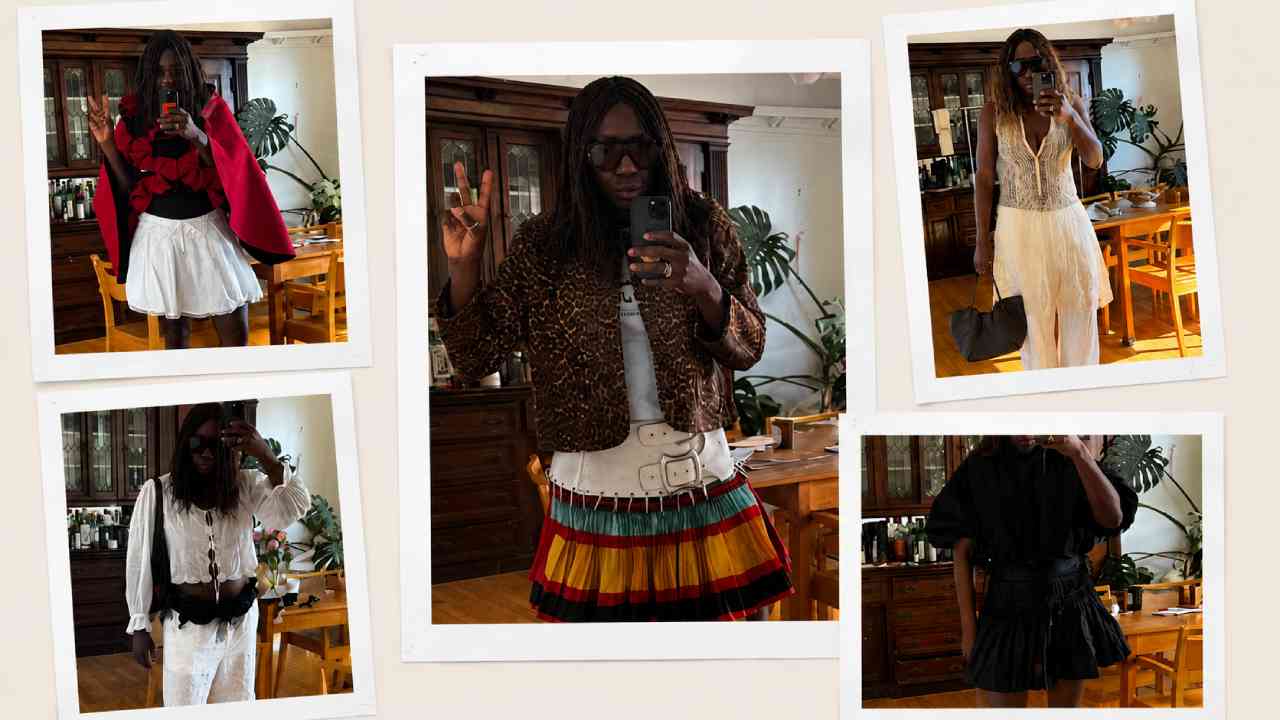
Combining strong patterns can seem intimidating because the outfit can quickly become visually crowded. Nevertheless, pattern mixing becomes easier when one element creates structure. A leopard-print jacket, for instance, can work beside an unconventional patterned skirt when the remaining pieces are relatively controlled. Neutral socks, simple layering, or a familiar silhouette can provide that necessary pause. Scale also matters. Two patterns with identical visual intensity may compete, while patterns with different scales can create clearer separation. Color provides another useful connection. Even unrelated prints can feel deliberate when they share one or two tones. Therefore, successful pattern mixing is less about following strict rules and more about establishing visual relationships. Classic wardrobe pieces can help enormously here. Their recognizable shapes prevent the outfit from becoming completely abstract. As a result, the wearer can push pattern, texture, or color further while maintaining enough structure to make the overall styling feel considered.
Texture Adds Depth Without Making an Outfit Too Loud
Avant-garde styling does not always require dramatic silhouettes. Sometimes texture alone creates enough contrast. Linen, lace, smooth cotton, mesh, leather, and technical fabrics react differently to light and movement. Placing them together can create visual depth even within a restrained color palette. For example, crisp cotton beside transparent mesh feels more dynamic than two similar fabrics. Likewise, soft knitwear can provide an appealing contrast against structured leather. J.Crew Basics can support this strategy because simple fabrics give more expressive textures space to stand out. This technique is especially useful for people who prefer neutral colors but still want their outfits to feel distinctive. Instead of introducing several bright shades, they can build interest through surfaces. Furthermore, texture often becomes more noticeable in person than in photographs. Fabric moves with the body, catches light, and changes throughout the day. Consequently, thoughtful texture mixing can make a relatively simple outfit feel surprisingly sophisticated.
Preppy and Avant-Garde Style Do Not Have to Be Opposites
Preppy fashion traditionally favors recognizable staples, polished combinations, and a sense of order. Avant-garde fashion often does the opposite. It can challenge proportion, construction, materials, and familiar ideas about how clothing should sit on the body. At first, those aesthetics appear incompatible. Yet their differences are precisely what can make them interesting together. A clean button-down shirt gives a sculptural skirt something familiar to push against. Similarly, a classic trouser can make experimental footwear appear even more distinctive. The contrast creates tension without necessarily creating chaos. In this sense, personal style becomes less about choosing one fashion category and more about editing different influences. Someone can appreciate classic American clothing while also enjoying conceptual design. Those preferences do not cancel each other out. Instead, combining them can produce a wardrobe that feels less copied from a single trend. The result reflects individual taste rather than strict loyalty to one aesthetic.
Read Also: The Best Neutral Eyeshadow Palettes for Effortless Everyday Makeup
A Statement Piece Needs Space to Make an Impact
A common styling mistake is assuming that a bold garment always needs equally bold companions. In reality, statement pieces often become stronger when surrounded by quieter clothing. Imagine a dramatic cape with unusual construction. Pairing it with another complex jacket, heavily patterned trousers, and oversized accessories may hide what made the cape interesting. Instead, a straightforward skirt or simple top can create enough visual space for its shape to register. This principle is similar to composition in photography. A strong subject becomes easier to appreciate when the frame is not filled with competing information. Therefore, J.Crew Basics can serve as a useful visual pause. They allow sculptural pieces to remain expressive without pushing the entire outfit into costume territory. This balance is particularly valuable for everyday dressing. Most people need clothing that can move between real situations. A quiet foundation can make experimental fashion feel wearable while preserving the creativity that made it exciting.
Personal Style Becomes Stronger When Fashion Rules Loosen
Fashion becomes more interesting when clothing is treated as material rather than a fixed identity. A preppy shirt does not have to remain preppy. Likewise, an avant-garde jacket does not need an entirely conceptual outfit around it. Once those labels become flexible, wardrobe combinations expand dramatically. This mindset also encourages more thoughtful consumption. Instead of assuming an older basic is outdated, a wearer can ask how it might look beside something unexpected. A different shoe, unusual proportion, layered texture, or contrasting accessory can change its character. As a result, existing clothes gain new possibilities. This approach also feels more personal than reproducing a complete runway or social-media look. Inspiration still matters, but interpretation matters more. Ultimately, strong personal style often develops through experimentation. Some combinations will fail, while others will unexpectedly work. That process is valuable because it gradually reveals which shapes, contrasts, and details genuinely feel natural to the wearer.
J.Crew Basics Show Why Reinvention Matters More Than Trends
The most compelling lesson behind this styling approach is not about abandoning classic fashion. Instead, it is about refusing to let familiar clothes have only one identity. J.Crew Basics can remain polished and practical while becoming part of something much more experimental. A simple skirt can balance architectural outerwear. Relaxed trousers can support unconventional accessories. Meanwhile, a familiar shirt can create calm beside a complicated silhouette. These combinations demonstrate why modern styling is increasingly about interpretation rather than rigid categories. Trends will continue to change, but the ability to reinvent existing pieces has longer value. It makes a wardrobe more flexible and gives personal taste greater influence over what feels current. Therefore, the strongest outfit may not be the one filled with the newest items. It may be the one that makes familiar clothing feel surprising again. When classic foundations meet unexpected ideas, even the simplest wardrobe staples can tell an entirely new fashion story.