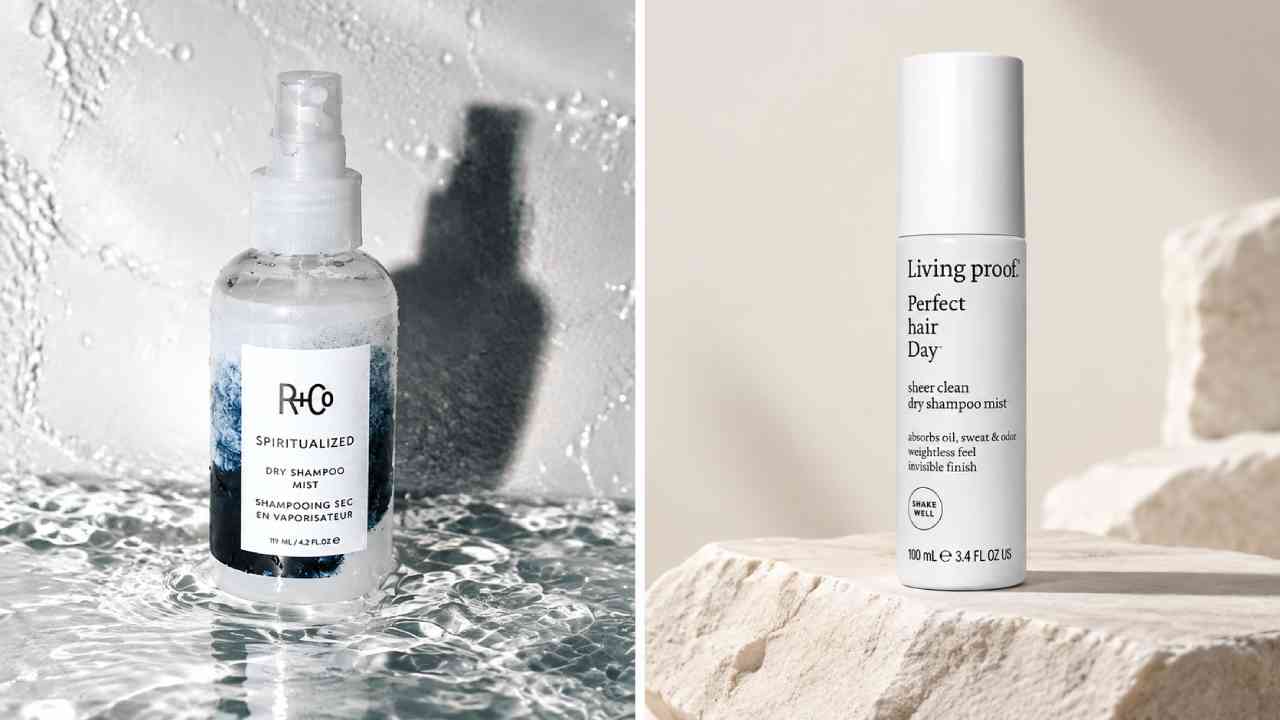
Beauty Rival – Dry Shampoo has long been the quick solution for hair that looks oily between wash days. A few sprays at the roots can absorb excess oil and make hair appear fresher within minutes. However, the familiar powdery aerosol is no longer the only option. A newer generation of products is arriving in lightweight liquid and mist formulas. Often described as wet dry shampoo, these products sound almost contradictory at first. After all, the purpose of dry shampoo is usually to refresh hair without washing it. Yet the idea makes more sense once the formula touches the hair. Instead of soaking the strands, a fine mist distributes lightweight oil-absorbing ingredients across the roots. The moisture then dries quickly. As a result, hair can feel refreshed without the heavy powder effect associated with some traditional formulas. It is a small change in format, but it could reshape a familiar beauty routine.
What Exactly Is Wet Dry Shampoo?
Wet dry shampoo is essentially a water-based or liquid hair refresher designed for use between regular washes. Unlike standard shampoo, it does not require rinsing under the shower. Instead, users mist a small amount around oily areas, allow the formula to work, and let the hair dry. Some formulas can also be paired with a quick blow-dry. The concept combines elements of traditional Dry Shampoo with the lighter feel of modern hair mists. Most importantly, the product should not leave hair soaking wet when applied correctly. The spray is usually designed to create a very fine mist. Therefore, only a small amount of moisture reaches the strands. Oil-absorbing ingredients then help reduce the greasy appearance around the scalp and roots. Depending on the formula, additional ingredients may target odor, sweat, buildup, or flat-looking hair. The goal remains familiar: fresher-looking hair without completing an entire wash routine.
The Powdery Feeling Has Always Been a Common Complaint
Traditional Dry Shampoo can be incredibly convenient, but the experience is not perfect for everyone. Powder-based formulas work by absorbing oils around the scalp. However, using too much product can leave the roots feeling gritty or coated. In some cases, users can also see pale residue after application. This effect may become especially noticeable on brunette, black, or richly colored hair. Of course, application technique matters. Brushing the product through and allowing enough time for absorption can improve the result. Still, modern beauty consumers increasingly expect products to feel almost invisible. That expectation helps explain why liquid alternatives are attracting interest. A fine mist can distribute ingredients differently and may feel less powdery after drying. Consequently, wet formulas are not simply changing the packaging. They are attempting to solve one of the most familiar complaints about the category while keeping the convenience that made dry shampoo popular in the first place.
Read Also: Dior Revives 13 Iconic Fragrances in the Diororiginals Collection
White Residue Could Become Less of a Problem
Few things ruin a quick hair refresh faster than discovering a visible white patch near the roots. This issue can happen when powder particles remain noticeable after using Dry Shampoo. Although many modern aerosols have improved dramatically, darker hair can still reveal residue more easily. Wet dry shampoo approaches the problem differently. Because the base is usually translucent and the formula can contain less visible powder, it may distribute more evenly across the hair. Once the moisture evaporates, the roots can appear cleaner without an obvious dusty finish. However, results still depend on the individual formula, hair type, and amount applied. Using more product does not always produce a fresher result. In fact, overapplication can create unnecessary buildup. Therefore, starting with a light mist is usually the smarter approach. More can always be added afterward. This simple difference could make liquid formulas especially appealing to people who previously avoided dry shampoo because of visible residue.
A Fine Mist Can Refresh Hair Without Ruining the Style
The word “wet” may immediately make people worry about their hairstyle. Someone with a carefully styled blowout probably does not want to spray water across the roots and start again. Fortunately, the concept is more subtle than the name suggests. Wet dry shampoo is typically delivered through a fine mist rather than a heavy spray. Therefore, the goal is not to saturate the hair. Instead, the mist lightly covers targeted areas before drying relatively quickly. A hair dryer can speed up the process when needed. This technique may also help restore movement around the roots. For people with bangs, the format can be particularly interesting. Bangs often become oily faster because they constantly touch the forehead. Washing only that section can be inconvenient, while heavy powder can alter its texture. A lightweight mist offers another option. Still, users should apply gradually and avoid oversaturating the area if they want to preserve an existing style.
Modern Formulas Are Becoming More Multifunctional
Haircare products increasingly need to do more than one job. Wet Dry Shampoo reflects that broader beauty trend. Instead of focusing only on oil absorption, newer formulas may also target sweat, odor, buildup, or flat roots. Some use micellar-inspired technology, while others combine absorbent particles with conditioning or odor-control ingredients. This multifunctional approach makes sense because oily roots are rarely the only concern between wash days. After exercise, for example, hair may feel sweaty without looking extremely greasy. On another day, the main problem may be loss of volume. Therefore, a formula that addresses several concerns can make a refresh routine more practical. However, shoppers should still pay attention to what each product actually promises. Not every formula performs the same function. Someone seeking volume may need different ingredients from someone primarily concerned about excess oil. Choosing according to hair needs remains more useful than simply following whichever format is currently trending.
Wet and Traditional Dry Shampoo Serve Similar Goals Differently
The two formats do not necessarily need to compete. Instead, they can suit different hair types, routines, and preferences. Traditional Dry Shampoo remains extremely practical when speed matters. Aerosols and powders can absorb oil quickly and may add noticeable texture or volume. For some hairstyles, that extra grip is actually useful. Wet formulas offer a different experience. They may appeal more to people who dislike powdery texture or visible residue. They can also feel lighter once dry, depending on the formulation. Therefore, choosing between them is less about finding a universal winner and more about understanding the desired result. Someone with very oily roots may prefer the stronger absorbing sensation of a powder formula. Meanwhile, another person may prioritize softness and an invisible finish. Hair density, color, styling habits, and scalp comfort can all influence the choice. In beauty, the most useful innovation is often the one that gives consumers another workable option.
Using Dry Shampoo Correctly Still Makes a Big Difference
Even an innovative formula can disappoint when applied incorrectly. With Dry Shampoo, moderation usually produces a better result than spraying large amounts at once. Focus first on areas that actually need refreshing, especially around the roots, hairline, and part. Then, give the formula time to settle. If you are using a wet version, follow its specific directions because drying methods can vary. Some products may work best when left to air-dry. Others may benefit from a short blow-dry. Moreover, avoid treating dry shampoo as a styling product that must cover every strand. The goal is usually targeted oil control rather than complete saturation. Hair type matters as well. Fine hair may require very little product, while thicker hair can require sectioning for even distribution. Starting slowly allows you to judge the result before adding more. This approach reduces unnecessary buildup and helps preserve the natural movement of the hair.
Dry Shampoo Is Helpful, but It Does Not Replace Washing
Convenience should not be confused with cleansing. Dry Shampoo can make hair look and feel fresher between washes, but it does not perform the same job as shampoo and water. Oil, styling products, dead skin cells, sweat, and environmental debris can still accumulate around the scalp over time. Therefore, regular cleansing remains important. The ideal wash schedule varies because scalp oil production, hair texture, styling habits, and activity levels differ from person to person. Someone who exercises frequently may have different needs from someone with a naturally dry scalp. The key is to view dry shampoo as a tool for extending or refreshing a hairstyle rather than permanently replacing normal washing. If the scalp begins to feel uncomfortable, itchy, or heavily coated, adding more product is unlikely to solve the underlying problem. At that point, a proper wash is usually more useful than another layer of refresh spray.
The Trend Reflects a Bigger Shift Toward Invisible Beauty
One reason wet Dry Shampoo feels timely is that beauty routines are moving toward products that do their work without leaving obvious traces. Consumers increasingly want lightweight skincare, invisible sunscreen, flexible makeup, and hair products that do not feel heavy. Wet dry shampoo fits naturally into that direction. Its appeal is not simply that the formula contains water. Instead, the attraction comes from the possibility of refreshing hair while keeping it soft, movable, and natural-looking. This matters because modern hair trends often celebrate healthy movement rather than stiff styling. People still want volume and freshness, but many no longer want to feel layers of product throughout the day. Consequently, the next phase of dry shampoo may focus less on maximum powder absorption and more on balance. Effective formulas will need to control oil while remaining comfortable enough that users almost forget they applied anything.
Wet Dry Shampoo Could Become More Than a Passing Trend
Beauty trends often disappear as quickly as they arrive. However, products tend to last when they solve a familiar problem in a genuinely useful way. Wet dry shampoo has that opportunity. It takes an established habit and rethinks the part consumers often dislike most: powdery texture, visible residue, and heavy buildup. That does not mean traditional Dry Shampoo will disappear. Aerosols and powders remain convenient, familiar, and effective for many hair types. Instead, liquid formulas could expand the category by giving consumers another way to manage second-day or post-workout hair. The most interesting part is not whether wet formulas will replace older versions. It is how quickly haircare is adapting to changing expectations. People want products that save time, feel comfortable, and deliver natural-looking results. If wet dry shampoo can consistently provide those benefits, this unusual-sounding beauty trend may eventually become a completely normal part of the haircare shelf.