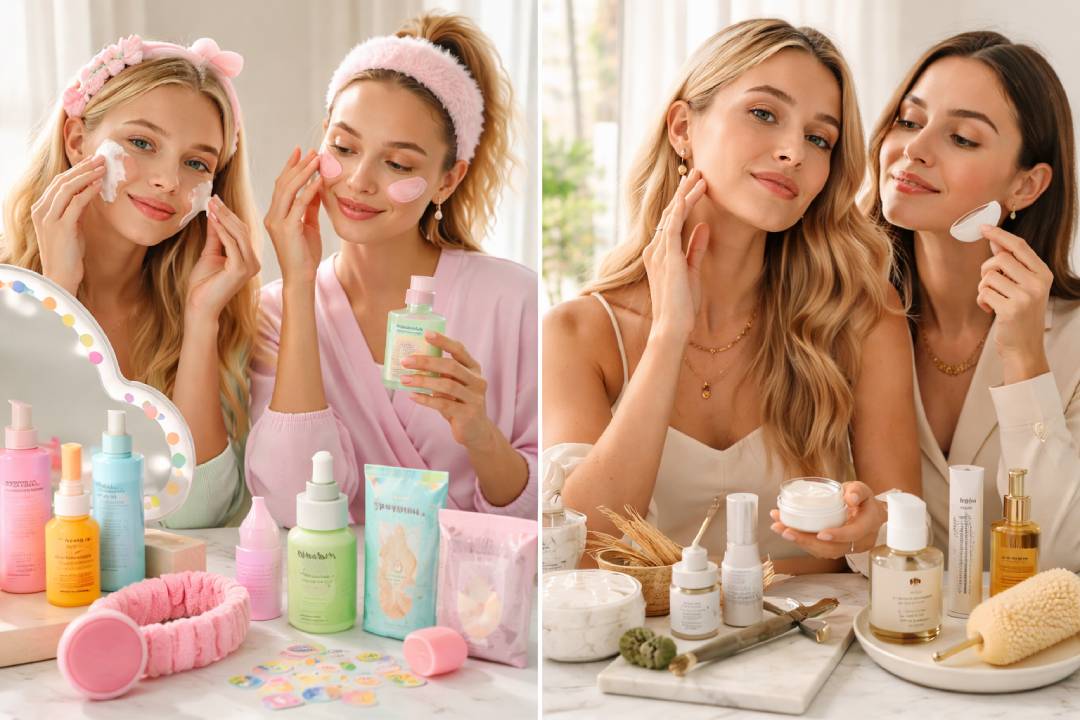
Beauty Rival – Gen Z vs Millennials The Skincare Products Defining Beauty Trends has become one of the most discussed beauty topics in early 2026. As consumer behavior shifts rapidly, skincare routines are no longer defined solely by age. Instead, they are shaped by digital influence, ingredient awareness, and long-term skin goals. Consequently, brands are adjusting their product lines to meet two distinct mindsets. While millennials focus on correcting visible skin concerns, Gen Z prioritizes prevention and barrier health. This generational contrast is not merely marketing language. Rather, it reflects a deeper transformation in how people understand skin science and aging.
“Read Also: Elevated Sandals and Modern Minimalist Heels Dominate February 2026 Fashion Trends“
The Preventive Skincare Mindset of Gen Z
First and foremost, Gen Z approaches skincare with a preventive mindset. Instead of waiting for fine lines to appear, they aim to delay them. Therefore, sunscreen has become the cornerstone of their routine. High-protection SPF 50+ with broad-spectrum coverage is now considered non-negotiable. Additionally, lightweight textures are preferred to avoid clogged pores. This shift shows that Gen Z views UV exposure as the primary trigger of premature aging. From an industry perspective, this awareness signals a more educated generation that values long-term skin resilience over quick fixes.
Sunscreen as the Ultimate Daily Essential
Unlike previous generations, Gen Z treats sunscreen as skincare rather than optional protection. They reapply throughout the day and even choose formulas enriched with antioxidants. Consequently, sun protection products now include hydrating and soothing ingredients. This evolution demonstrates how brands respond to informed consumers. In my observation, the normalization of daily SPF usage may become the most impactful beauty shift of this decade. Ultimately, consistent sun protection remains one of the most scientifically proven anti-aging strategies available.
Gentle Retinol and Early Anti-Aging Awareness
Interestingly, Gen Z has also embraced low-dose retinol earlier than millennials did. However, they prefer gentle formulations designed for beginners. Instead of aggressive exfoliation, the goal is gradual adaptation. As a result, brands now promote retinal or encapsulated retinol formulas that minimize irritation. Meanwhile, millennials often adopted stronger retinoids only after visible wrinkles emerged. This contrast highlights a preventive versus corrective philosophy. When used responsibly, mild retinol can stimulate collagen without compromising skin comfort.
Barrier Repair Becomes the New Brightening
Another defining difference lies in barrier repair awareness. Gen Z actively seeks ingredients such as ceramides, panthenol, centella asiatica, and hyaluronic acid. Rather than chasing instant glow, they prioritize maintaining a healthy skin barrier. Consequently, “skin barrier repair” has become one of the fastest-growing product categories in 2026. In comparison, millennials historically favored brightening solutions such as vitamin C and exfoliating acids. However, dermatologists increasingly emphasize barrier strength as the foundation of all skincare success.
Millennials and the Corrective Skincare Era
On the other hand, millennials entered adulthood during the acne-treatment and brightening boom. Salicylic acid, benzoyl peroxide, and high-strength vitamin C dominated their routines. Additionally, intensive anti-aging treatments gained popularity as they reached their thirties. Therefore, millennials often build multi-step routines targeting specific concerns. While effective, this approach sometimes results in over-exfoliation. From a professional standpoint, corrective skincare remains important. Yet, balance is crucial to avoid long-term sensitivity.
“Read Also: K-Beauty Meets Lifestyle How Anua Redefines Experiential Skincare“
Ingredient Literacy and Digital Influence
One undeniable factor shaping Gen Z vs Millennials: The Skincare Products Defining Beauty Trends is digital education. Social media platforms have democratized ingredient knowledge. Consequently, younger consumers read labels carefully and understand terms like non-comedogenic and microbiome-friendly. Although this awareness empowers smarter purchasing decisions, it can also encourage product overload. Therefore, dermatologists advise moderation. Knowledge should guide skincare, not overwhelm it.
Minimalism and Multi-Function Formulas
Furthermore, Gen Z gravitates toward simplified routines. Multi-function moisturizers that combine niacinamide, SPF, and hydration appeal to their efficiency-driven lifestyle. Meanwhile, millennials are more accustomed to layered routines. This contrast reflects broader lifestyle differences. As daily schedules grow busier, streamlined skincare becomes increasingly attractive. In many ways, this minimalistic direction mirrors wider wellness trends focused on sustainability and mindful consumption.
The Future of Generational Beauty Trends
Looking ahead, Gen Z vs Millennials: The Skincare Products Defining Beauty Trends will likely continue evolving. Preventive skincare appears poised to dominate the market. However, corrective treatments will remain relevant for mature skin. Ultimately, the most effective routine blends science, balance, and personal needs. From my perspective, the real revolution is not about age. Instead, it lies in informed decision-making. When consumers understand ingredients and long-term skin health, beauty trends become more sustainable and meaningful.