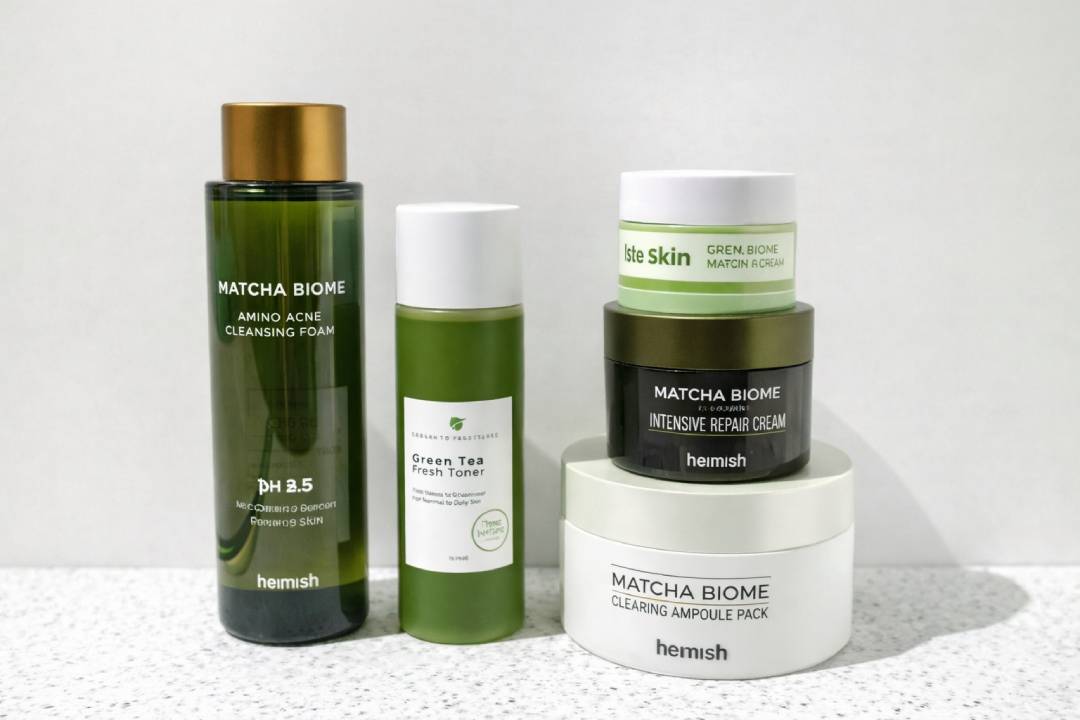
Beauty Rival – Matcha-Based Skincare and Microbiome Care Are Trending This Spring because beauty is no longer just about appearance. Instead, it is about long-term skin health. As we enter spring, many people shift their routines to repair winter damage and strengthen their skin barrier. Consequently, consumers are moving away from heavy treatments and focusing on balance. Matcha-infused formulas and microbiome-friendly products are leading this transition. Interestingly, this trend is not driven solely by social media hype. It is supported by scientific formulation and dermatological insight. Compared to the “green beauty” wave of previous years, today’s approach feels more refined and evidence-based. In my observation, this evolution signals maturity in the skincare industry. People now want visible glow and internal resilience. Therefore, this spring ritual feels both aesthetic and functional.
“Read Also: Big-Buckle Belts Are Back The Must-Have Fashion Trend Right Now“
Why Matcha Is More Than Just a Wellness Ingredient
At first glance, matcha may seem like a lifestyle ingredient borrowed from health culture. However, its skincare benefits are grounded in science. Matcha contains high levels of catechins, which are powerful antioxidants. These compounds help neutralize free radicals that contribute to premature aging. Additionally, matcha has natural anti-inflammatory properties. As a result, it helps calm redness and irritation. This is particularly valuable during seasonal changes when skin often becomes reactive. Moreover, matcha’s lightweight texture allows it to integrate easily into serums and moisturizers. Unlike heavier botanical oils, it does not clog pores. Therefore, it suits both oily and sensitive skin types. From a formulation perspective, matcha aligns well with minimalist skincare routines. It delivers multiple benefits without overwhelming the skin. That balance explains why it continues to gain popularity.
Understanding the Role of the Skin Microbiome
While matcha addresses oxidative stress, microbiome care focuses on maintaining the skin’s ecosystem. The skin hosts billions of microorganisms that contribute to barrier strength and immunity. When this balance is disrupted, issues such as dryness, acne, and sensitivity increase. Therefore, microbiome-supportive products aim to restore harmony. These formulations often include prebiotics, probiotics, and postbiotics. Together, they nourish beneficial bacteria and reinforce the skin barrier. Importantly, this approach reflects a shift from aggressive treatments to supportive care. Instead of stripping the skin, modern routines strengthen it. In my view, this philosophy represents a turning point. Consumers are becoming more educated about barrier repair. Consequently, microbiome care is no longer niche. It is becoming foundational.
Why This Trend Fits the Spring Season Perfectly
Seasonal transitions often confuse the skin. After winter, many people experience dehydration, dullness, and sensitivity. Meanwhile, rising temperatures can increase oil production. Therefore, spring requires a balanced approach. Matcha’s soothing antioxidants reduce inflammation, while microbiome-focused products rebuild resilience. Together, they create stability. Additionally, lighter textures feel more comfortable as humidity increases. Compared to thick winter creams, these formulations absorb quickly. As a result, the skin feels refreshed rather than heavy. This functional compatibility explains the seasonal surge in popularity. Moreover, spring symbolizes renewal. Consequently, routines centered on restoration resonate emotionally. The ritual feels intentional rather than reactive.
The Evolution from Green Beauty to Science-Backed Formulas
Several years ago, green beauty emphasized natural ingredients without always prioritizing scientific validation. However, the current trend feels more sophisticated. Brands now combine botanical extracts like matcha with clinically studied microbiome technology. Therefore, the narrative shifts from “natural equals better” to “balanced equals better.” This subtle change matters. Consumers are no longer satisfied with marketing claims alone. Instead, they seek transparency and efficacy. As someone who follows formulation trends, I notice that ingredient lists are becoming shorter yet more strategic. This indicates confidence in targeted solutions. Consequently, the matcha and microbiome movement feels less experimental and more grounded.
“Read Also: Gen Z vs Millennials The Skincare Products Defining Beauty Trends“
Minimalism and Skinimalism Drive Consumer Behavior
Another reason Matcha-Based Skincare and Microbiome Care Are Trending This Spring is the rise of skinimalism. Many consumers now prefer fewer steps with higher performance. Over-exfoliation and over-layering previously damaged barriers. Therefore, simplified routines became necessary. Matcha-based serums and microbiome moisturizers fit perfectly into this philosophy. They offer multi-functional benefits without complexity. Moreover, simplified routines reduce irritation risk. From a practical standpoint, minimalism saves time and money. However, it also builds trust in the product. When fewer ingredients perform effectively, confidence increases. Thus, skinimalism reinforces this trend’s longevity.
Dermatological Support and Expert Endorsement
Importantly, dermatologists increasingly emphasize barrier repair as the foundation of healthy skin. Many now recommend antioxidant protection combined with microbiome support. Therefore, this trend aligns with professional advice. Clinical discussions around inflammation, oxidative stress, and barrier integrity have become more mainstream. As a result, consumers feel empowered to choose evidence-based products. This alignment strengthens credibility. In addition, early user feedback highlights improved texture and reduced sensitivity. While individual results vary, consistent reports suggest tangible benefits. Consequently, trust grows organically.
A Long-Term Shift Rather Than a Short-Term Hype
Ultimately, Matcha-Based Skincare and Microbiome Care Are Trending This Spring because they reflect a broader shift in beauty philosophy. Instead of chasing dramatic transformations, people prioritize stability and long-term health. This mindset change feels sustainable. Trends rooted in science and practicality tend to endure. While product formats may evolve, the core focus on antioxidant defense and microbiome balance is likely to remain. In my perspective, this movement signals maturity in consumer awareness. Beauty is becoming less about instant perfection and more about resilience. Therefore, this spring trend may mark the beginning of a lasting skincare era.