Beauty Rival – Skin Barrier Protection is no longer a niche skincare topic reserved for dermatology clinics and ingredient nerds. Instead, it has become one of the biggest beauty conversations in recent years, and for good reason. More people are realizing that healthy skin is not only about glowing results, strong actives, or fast transformations. It is also about keeping the skin calm, balanced, and resilient. The skin barrier, which acts like a protective wall, is the foundation of that resilience. Once it is damaged, even the best skincare routine can feel useless. That is why this trend feels less like a fad and more like a long-overdue reset.
“Read Also: How Smudged Lips Are Redefining Bold and Natural Makeup“
Skin Barrier Protection: The New Skincare Trend for Healthy Skin
Skin Barrier Protection is no longer a niche skincare topic reserved for dermatology clinics and ingredient nerds. Instead, it has become one of the biggest beauty conversations in recent years, and for good reason. More people are realizing that healthy skin is not only about glowing results, strong actives, or fast transformations. It is also about keeping the skin calm, balanced, and resilient. The skin barrier, which acts like a protective wall, is the foundation of that resilience. Once it is damaged, even the best skincare routine can feel useless. That is why this trend feels less like a fad and more like a long-overdue reset.
What the Skin Barrier Actually Is and Why It Matters
Skin Barrier Protection begins with understanding what the skin barrier really means. The skin barrier is the outermost layer of your skin, often described as a “brick and mortar” structure. The skin cells are the bricks, and the lipids, like ceramides and fatty acids, are the mortar holding everything together. This barrier is responsible for keeping moisture in and irritants out. When it is strong, skin feels smooth, hydrated, and stable. However, when it is weakened, skin becomes sensitive, dry, and reactive. In other words, your barrier determines whether your skin can handle the world.
Why So Many People Are Suddenly Struggling With Barrier Damage
Skin Barrier Protection became a trend because barrier damage became extremely common. One major reason is over-exfoliation. Many people layered strong acids, retinoids, scrubs, and brightening products without realizing the long-term cost. Additionally, harsh cleansers and frequent face washing also strip the skin’s natural oils. Environmental factors play a role too. Pollution, UV exposure, and dry indoor air can weaken the skin over time. Even stress can affect the barrier because it influences inflammation and healing. Therefore, it is not surprising that so many people started searching for “why my skin burns” or “why my moisturizer stings.”
The Warning Signs Your Skin Barrier Needs Help
Skin Barrier Protection becomes urgent when you notice certain signs. For example, your skin may suddenly feel tight, flaky, or rough even when you apply moisturizer. You might experience redness that does not fade easily, or sensitivity that feels new and confusing. Another common sign is stinging when applying products that used to feel normal. Makeup may also start sitting strangely on the skin, emphasizing texture instead of smoothing it. These symptoms can feel frustrating because they often appear out of nowhere. However, they are usually the result of a slow buildup of irritation. Your skin is not “broken.” It is simply overwhelmed.
Why Barrier Repair Is the Opposite of Fast Beauty Culture
Skin Barrier Protection feels refreshing because it pushes back against fast beauty culture. For years, skincare marketing has focused on dramatic before-and-after results. People were encouraged to chase instant glow, instant brightening, and instant smoothing. However, barrier repair requires patience. It is about slowing down, simplifying routines, and focusing on long-term stability. In my opinion, this is why the trend has emotional power. It teaches people to treat their skin with respect rather than constant correction. Instead of fighting your skin, barrier repair encourages you to work with it. That mindset shift alone is healing.
The Ingredients Most Associated With Barrier Support
Skin Barrier Protection is often linked to certain “hero ingredients” that support repair and hydration. Ceramides are one of the most important because they naturally exist in the skin barrier and help rebuild its structure. Niacinamide is also widely used because it supports barrier function and reduces inflammation, although it can irritate some people at high concentrations. Additionally, ingredients like panthenol, squalane, and glycerin help soothe and strengthen the skin. Occlusives such as petrolatum can also protect the barrier by sealing in moisture. The key is not using everything at once. Instead, barrier-friendly routines work best when they stay simple and consistent.
Read Also: Futuristic Statement Eyewear The Bold Trend“
Why Minimal Skincare Routines Are Making a Comeback
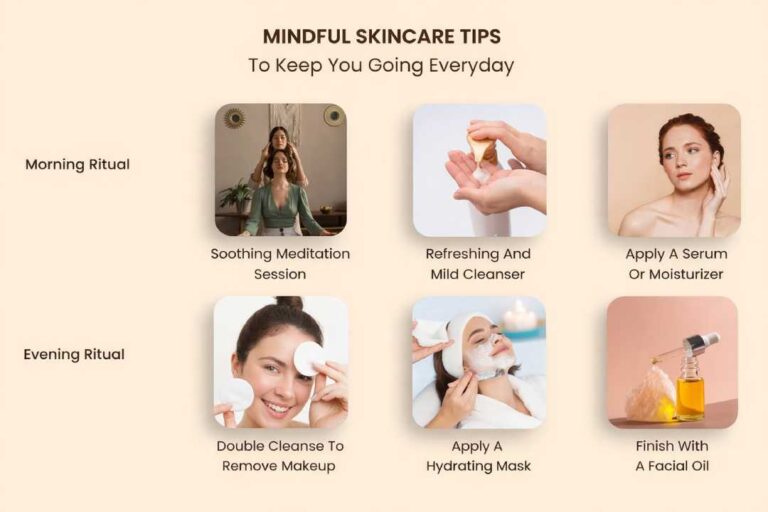
Skin Barrier Protection has brought minimal skincare back into the spotlight. Many people are now realizing that using ten products does not always mean better skin. In fact, too many layers can increase irritation and make it harder to identify what is causing problems. Minimal routines often include only a gentle cleanser, a barrier-supporting moisturizer, and sunscreen. This approach may sound boring, yet it is powerful. It gives the skin time to recover and rebuild. Moreover, it teaches people that skincare is not a competition. It is a long-term relationship with your own body.
The Role of Sunscreen in Protecting the Barrier
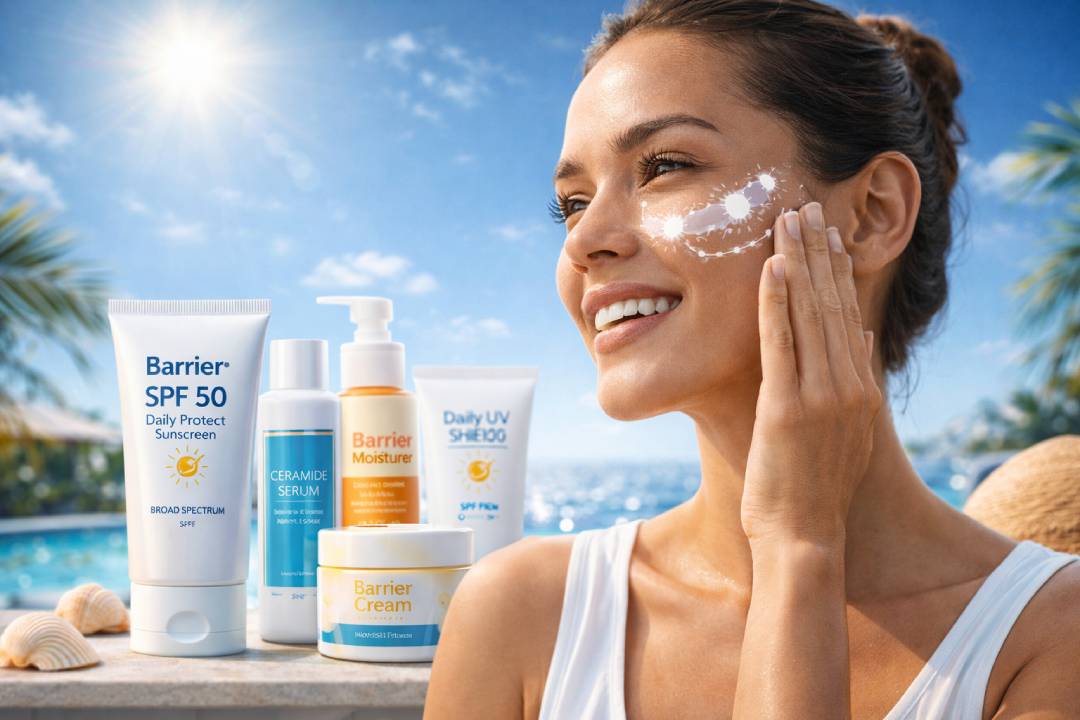
Skin Barrier Protection cannot be separated from sunscreen. UV damage weakens the barrier over time and increases inflammation. Even if you use the best moisturizer, unprotected sun exposure will continue to break down collagen and disrupt the skin’s ability to heal. Sunscreen also prevents pigmentation and redness from worsening, which is especially important when the skin is already sensitive. The challenge is finding a sunscreen that does not irritate. Many people with barrier damage prefer mineral sunscreens or fragrance-free formulas. Still, the best sunscreen is the one you can wear consistently. Barrier repair without sun protection is like fixing a wall while leaving the door open.
Why This Trend Is Likely Here to Stay
Skin Barrier Protection is not just a trend because it aligns with real science and real skin experiences. People are tired of routines that make their skin worse. They want skincare that feels safe, calming, and sustainable. Additionally, this trend fits into the broader movement toward wellness and self-respect. It is not about perfection. It is about comfort and health. In my view, barrier protection will remain central in skincare because it solves the root problem, not just the surface symptoms. When the barrier is strong, everything else works better. That is why this trend feels like the future of skincare, not a temporary moment.