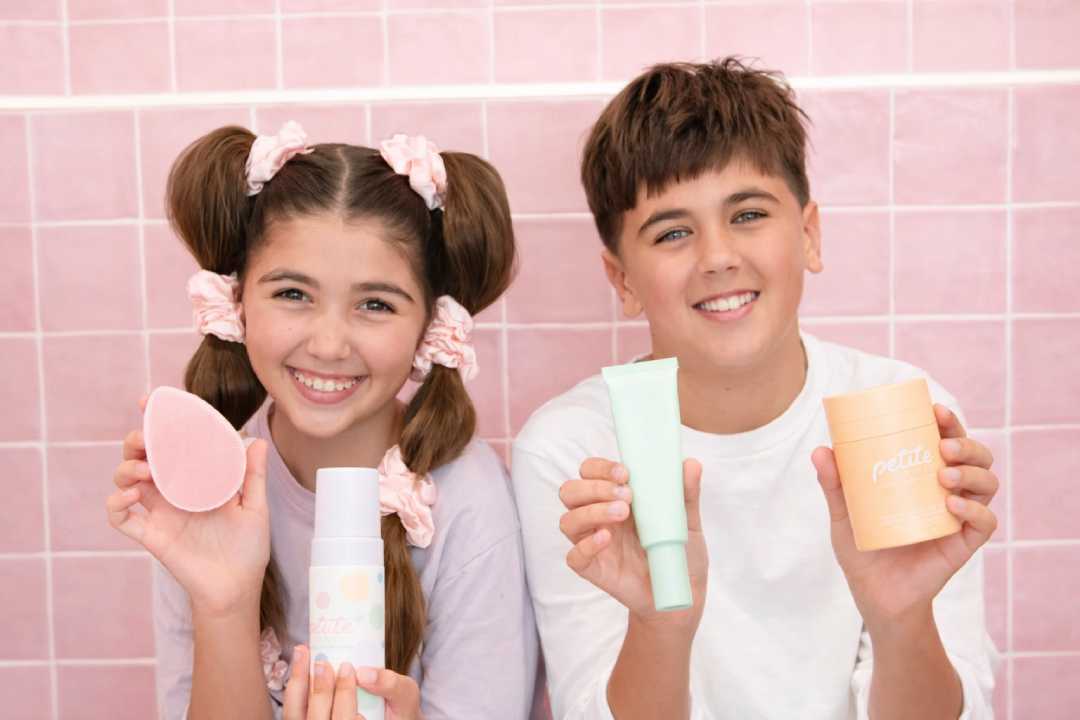
Beauty Rival – The Cosmeticorexia Phenomenon has emerged as one of the most concerning beauty trends in 2026. At first, skincare routines seemed harmless and even beneficial. However, the situation has changed rapidly. Today, children and teenagers are adopting complex skincare regimens designed for adults. As a result, this shift raises serious questions about health, identity, and social influence. From my perspective, this trend reflects a deeper issue within modern beauty culture. It shows how external pressures can shape behavior at a very young age. Therefore, understanding this phenomenon becomes essential for both parents and the wider community.
“Read Also: Bag Charms Small Acessories that Make Your Outfit More Personal“
Understanding What Cosmeticorexia Really Means
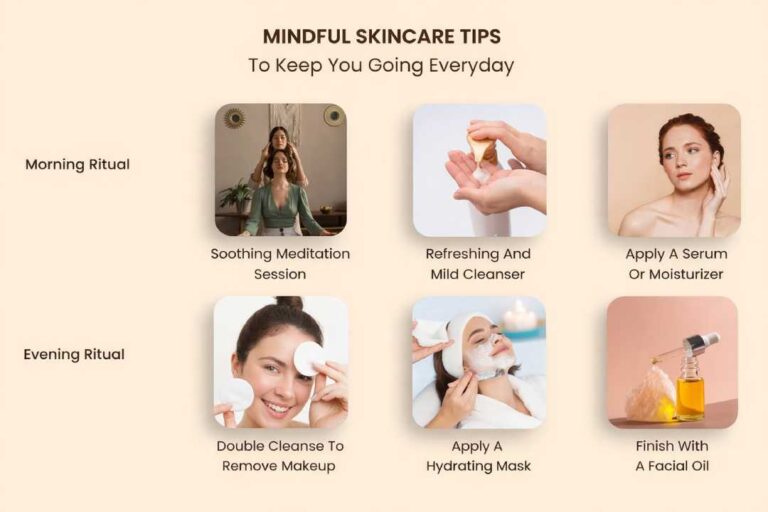
The The Cosmeticorexia Phenomenon refers to an excessive obsession with skincare routines, especially among young individuals. Unlike basic hygiene habits, this trend involves using advanced products such as retinol, acids, and anti-aging serums. These products are often unnecessary and potentially harmful for young skin. Moreover, children may not fully understand how these ingredients work. Consequently, misuse can lead to irritation or long-term damage. In my opinion, this phenomenon is not just about skincare. Instead, it reflects a growing pressure to meet unrealistic beauty standards. Therefore, it is important to recognize the difference between healthy care and harmful obsession.
The Role of Social Media in Spreading the Trend
Social media plays a major role in amplifying the The Cosmeticorexia Phenomenon. Platforms like TikTok and Instagram promote viral skincare routines that attract millions of views. Young audiences often imitate influencers without questioning the suitability of these products. Additionally, algorithms continuously push similar content, reinforcing the trend. As a result, children are exposed to adult beauty standards earlier than ever before. From my observation, this constant exposure creates a sense of urgency to “fix” their appearance. Therefore, social media becomes both a source of inspiration and a trigger for unhealthy habits.
Why Children Are Drawn to Adult Skincare
The growing appeal of the The Cosmeticorexia Phenomenon among children can be linked to psychological and social factors. Many young individuals want to feel mature and accepted. Using adult skincare products can create a sense of belonging. Furthermore, peer influence plays a significant role. When friends follow certain routines, others tend to do the same. In addition, marketing strategies often blur the line between products for adults and teens. From a human perspective, this behavior is understandable. However, it also highlights the need for better guidance. Therefore, education becomes crucial in shaping healthier habits.
Risks of Using Inappropriate Skincare Products
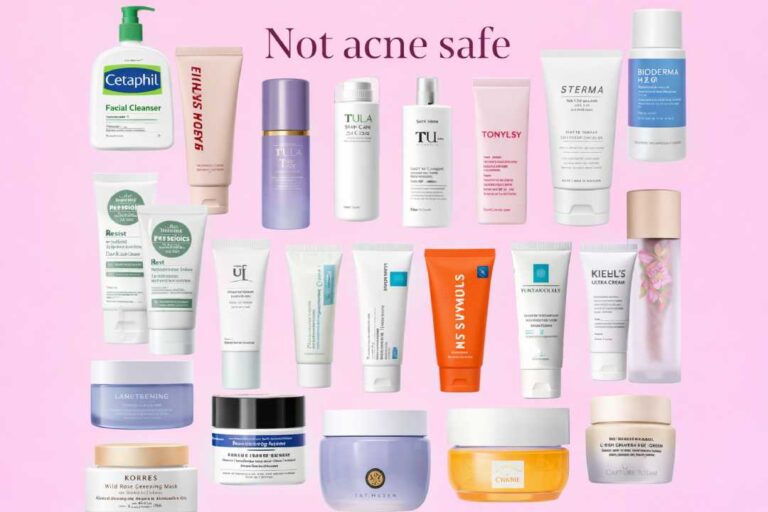
One of the most critical aspects of the The Cosmeticorexia Phenomenon is the potential risk to skin health. Young skin is naturally more sensitive and does not require aggressive treatments. Products like retinol or exfoliating acids can damage the skin barrier when used incorrectly. Moreover, overuse of multiple products can cause irritation, redness, and breakouts. In some cases, it may even lead to long-term sensitivity. From an analytical standpoint, these risks outweigh the perceived benefits. Therefore, it is essential to promote age-appropriate skincare practices. Prevention, in this case, is far more effective than correction.
Influence of Beauty Marketing on Young Audiences
Marketing strategies have significantly contributed to the spread of the The Cosmeticorexia Phenomenon. Many brands use youthful influencers to promote their products. As a result, younger audiences feel directly targeted. Additionally, visually appealing packaging and trending ingredients make products more attractive. However, this approach often lacks clear guidance about age suitability. In my opinion, this creates a blurred boundary between responsible marketing and exploitation. Consequently, brands must take greater responsibility. Transparency and education should become part of their strategy. This will help build trust and protect younger consumers.
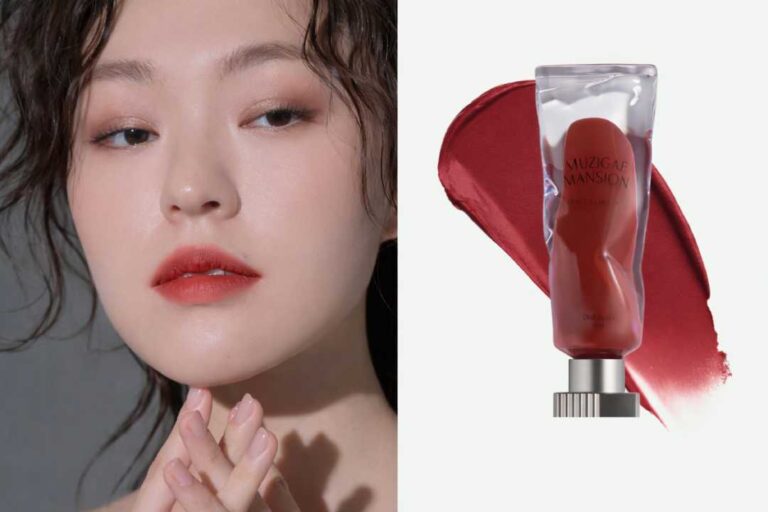
“Read Also: Korean-Style Blurry Lips Trend Becomes 2026’s Makeup Favorite“
Emotional and Psychological Impact on Children
Beyond physical risks, the The Cosmeticorexia Phenomenon also affects mental well-being. Children may develop insecurities about their appearance at an early age. Furthermore, they might feel pressure to maintain unrealistic standards. This can lead to anxiety and reduced self-confidence. In many cases, the focus shifts from self-care to self-criticism. From my perspective, this is one of the most alarming aspects of the trend. Emotional health should always come first. Therefore, promoting self-acceptance becomes just as important as skincare education.
Importance of Education and Parental Guidance
Addressing the The Cosmeticorexia Phenomenon requires active involvement from parents and educators. Open conversations about skincare can help children understand what is appropriate for their age. Additionally, teaching critical thinking skills allows them to question trends they see online. In my experience, simple guidance can make a significant difference. For example, explaining why certain products are unnecessary can prevent misuse. Therefore, education becomes the most effective tool in managing this issue. It empowers children to make informed decisions rather than blindly following trends.
How the Beauty Industry Can Respond Responsibly
The beauty industry plays a crucial role in shaping the future of the The Cosmeticorexia Phenomenon. Brands must prioritize ethical practices and clear communication. For instance, labeling products with age recommendations can reduce misuse. Additionally, promoting simpler routines for younger audiences can encourage healthier habits. From an industry perspective, this approach builds long-term trust. Moreover, it aligns with the growing demand for responsible beauty practices. Therefore, the industry has an opportunity to lead positive change. By doing so, it can balance innovation with social responsibility.