BeautyRival – Beauty is no longer just about formulas, efficacy, or flawless results. In recent years, the industry has undergone a quiet but powerful transformation, borrowing inspiration from an unexpected place: the Toy aisle. Products are now designed to spark joy, curiosity, and emotional attachment, much like toys once did in childhood. This shift reflects a deeper change in consumer behavior, where beauty items are treated as collectibles, companions, and extensions of identity. As the world grows more stressful and uncertain, consumers increasingly seek small moments of happiness and escapism. Beauty brands are responding by creating products that feel playful, expressive, and comforting. Packaging bursts with color, textures invite interaction, and limited editions encourage collecting. Beauty is becoming less serious and more human, offering moments of delight rather than just promises of performance.
The Rise of “Toyified” Beauty Products
The concept of “toyification” is reshaping how beauty products are imagined and marketed. According to industry voices, beauty items are no longer purely functional; they are characters with personalities and stories. Inspired by toys, these products are meant to be displayed, customized, and emotionally valued. This approach taps into the psychology of play, where ownership feels personal and rewarding. Consumers don’t just use a product they bond with it. Bright colors, interactive packaging, and whimsical design cues create a sense of ownership and pride. Much like toys, these beauty items invite repeat engagement, whether through refills, accessories, or collectible variations. This strategy strengthens brand loyalty while making everyday routines feel lighter and more joyful. In an era where emotional connection drives purchasing decisions, toyified beauty offers brands a powerful way to stand out.
“Read More : Brigitte Bardot: The Unrepeatable Icon Who Redefined Beauty, Cinema, and Freedom”
Gen Alpha, Kidults, and the Collectible Mindset
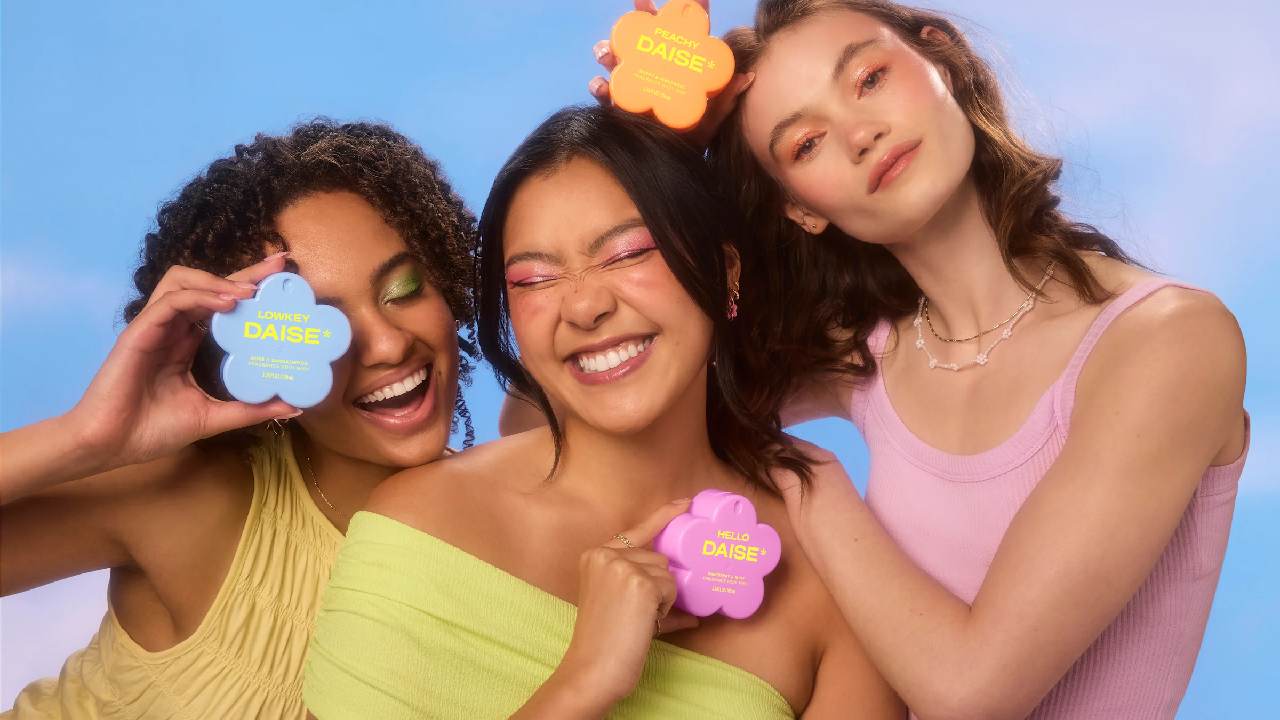
One of the strongest drivers behind this trend is the evolving consumer landscape. Gen Alpha is entering the beauty space earlier than previous generations, while adults are embracing “kidult” culture through collectibles and nostalgic hobbies. This convergence creates fertile ground for playful beauty concepts. Younger consumers crave interactive brand worlds that feel personal and expressive, while older shoppers seek comfort, color, and joy reminiscent of childhood. Collectible beauty items satisfy both groups by blending nostalgia with modern aesthetics. Limited-edition drops, charms, and customizable packaging turn beauty shopping into an experience rather than a transaction. Much like Lego sets or designer figurines, beauty products become small treasures. This shift shows that playfulness is no longer age-specific it’s emotional, universal, and deeply human.
Color, Nostalgia, and the End of Minimalism
Just a few years ago, minimalist packaging and clinical branding dominated beauty shelves. Today, that era feels distant. As global uncertainty grows, consumers gravitate toward color, warmth, and emotional storytelling. Toy-inspired beauty rejects “blanding” aesthetics in favor of bold hues, playful shapes, and visual excitement. Walking into modern beauty retailers now feels like entering a gallery of joy rather than a laboratory. Nostalgia plays a central role in this transformation, reminding consumers of simpler, happier times. Even serious categories like acne treatment or fragrance are embracing humor and charm. Star-shaped patches or themed packaging help reframe self-care as something kind and forgiving. Beauty is no longer about perfection it’s about feeling good, even on imperfect days.
“Read More : Molly Sims Strengthens Yse Beauty’s Momentum Heading Into 2026”
Fragrance and Packaging as Collectible Objects
Certain beauty categories are especially well-suited to toy-inspired design, and fragrance leads the way. For years, perfume bottles have functioned as decorative objects, but brands are now pushing this further. Seasonal releases, playful bottle shapes, and tactile elements turn fragrances into collectibles. Caps that click magnetically, bottles resembling figurines, and bright, musical color palettes transform usage into an experience. These design choices make the product feel alive and interactive. Consumers don’t just spray a scent they engage with it physically and emotionally. This approach also invites personalization, from accessorizing bottles to displaying them proudly. Fragrance becomes a form of self-expression, much like a toy once reflected personality on a childhood shelf.
Beauty as a Playground for Identity and Joy
At its core, the blending of beauty and toy culture reflects a deeper emotional need. Consumers want products that feel personal, joyful, and expressive in a world that often feels heavy. Toy-inspired beauty offers permission to be playful, imperfect, and imaginative. It transforms daily routines into moments of delight and self-connection. Brands that embrace this mindset are no longer selling just products they are building worlds. These worlds invite users to explore, collect, and express who they are. As beauty continues to evolve, playfulness will likely become a lasting pillar rather than a passing trend. The future of beauty isn’t just effective it’s fun, emotionally resonant, and unapologetically joyful.