Beauty Rival – Children’s Beauty Care is becoming a serious beauty topic in 2026 because skincare is no longer only a routine for adults. Today, many children and tweens already know facial cleansers, serums, masks, toners, and anti-aging products from social media. At first, this may look harmless because children seem interested in self-care. However, dermatologists are now warning parents to be more careful. Adult skincare formulas often contain strong active ingredients that young skin does not need. Recent reports also highlight the rise of “cosmeticorexia,” a term used to describe an excessive obsession with flawless skin among young people. Although it is not an official mental health diagnosis, experts see it as a worrying sign of beauty pressure at a very early age.
Read Also: Scarf Dressing Is Increasingly Popular in 2026: Simple Tricks to Make Your Outfit Look Expensive
Children’s Beauty Care Becomes a New Concern in 2026
Children’s Beauty Care has entered the spotlight because many young consumers are now exposed to beauty trends much earlier than before. In the past, children usually learned basic hygiene first, such as washing the face, using mild soap, and applying sunscreen during outdoor activities. However, the situation has changed. Many tweens now watch skincare routines that include serums, exfoliating acids, retinol, eye creams, and expensive masks. Because these products often appear in colorful packaging, children may see them as fun lifestyle items. Yet, skin experts remind parents that children’s skin is still developing. It is usually thinner, more sensitive, and more reactive than adult skin. Therefore, products designed for adult skin concerns can trigger redness, burning, peeling, or irritation when used too early.
Social Media Makes Skincare Look Like a Game
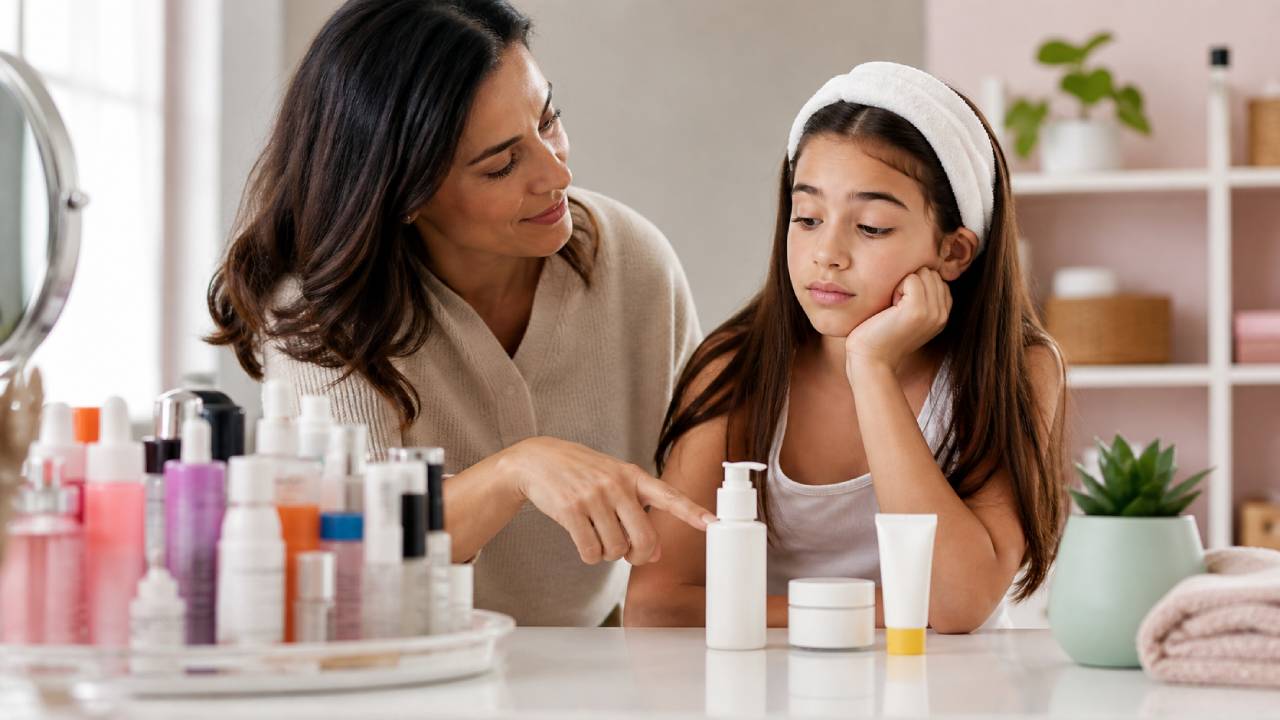
Social media plays a major role in the rise of Children’s Beauty Care. Short videos can make a complicated skincare routine look easy, cute, and satisfying. A child may see influencers layering products and believe that more steps mean better skin. In addition, beauty content often uses attractive visuals, soft lighting, pastel shelves, and close-up product shots. As a result, skincare can feel like a game of collecting items. However, this is where the problem begins. Children may not understand the difference between gentle care and active treatment. They may also copy routines made for adults with acne, pigmentation, wrinkles, or sun damage. Because of that, parents need to guide the conversation. Skincare should be introduced as a health habit, not as pressure to chase perfect skin.
Dermatologists Warn Against Adult Active Ingredients
Dermatologists are especially concerned about young children using adult active ingredients. Retinol, exfoliating acids, strong vitamin C formulas, and some acne treatments may have benefits for adults or older teens with specific needs. However, they are not everyday products for children. The American Academy of Dermatology notes that tweens and teens should generally avoid active ingredients such as retinol, vitamin C, and exfoliating acids when they are used for adult concerns like wrinkles, uneven tone, or sun damage. These ingredients can irritate young skin and may offer no real benefit for children who do not have those concerns. Therefore, the safest approach is not to follow every viral trend. Instead, parents should choose products based on age, skin type, and actual skin needs.
The Rise of Cosmeticorexia Raises a Bigger Question
The discussion around Children’s Beauty Care is not only about skin irritation. It is also about mindset. The Guardian reported concerns about “cosmeticorexia,” a growing obsession with flawless skin that can affect children and tweens. The issue becomes serious when young people start feeling anxious about normal skin texture, pores, or small blemishes. In real life, no skin is perfectly smooth all the time. However, filtered beauty content can make normal skin look like a problem. Because of this, children may begin to judge themselves too harshly. They may believe they need more products to be accepted or feel pretty. This emotional side makes the trend more sensitive. Therefore, adults should avoid shaming children. Instead, they can explain that healthy skin is not the same as perfect skin.
A Simple Routine Is Usually Enough for Children
For most children, skincare should remain simple. A gentle cleanser, a light moisturizer, and sunscreen are usually enough for daily care. This basic routine supports cleanliness, hydration, and sun protection without overwhelming the skin. Moreover, simple care teaches children healthy habits without pushing them into beauty anxiety. If a child has acne, eczema, irritation, or persistent skin problems, parents should speak with a dermatologist instead of experimenting with viral products. This matters because the wrong formula can make the skin barrier weaker. Once the skin barrier becomes irritated, the child may experience dryness, stinging, and sensitivity. Therefore, “less is more” is not just a beauty slogan in this case. It is a safer principle for young skin.
K-Beauty and Glass Skin Trends Need Careful Context
K-beauty has inspired many people with gentle textures, hydration-focused formulas, and the famous glass skin look. However, children may misunderstand this trend when they only see the final glow on social media. Glass skin is often presented as a smooth, reflective, almost poreless finish. While it looks beautiful, it can create unrealistic expectations for young viewers. Dermatologist Ritu Gupta warned that K-beauty culture and social media marketing can encourage pre-teens to use products with ingredients that are not suitable for their sensitive skin. This does not mean K-beauty is bad. Instead, it means children need guidance. Hydration and sunscreen can be helpful, but anti-aging routines and strong actives should not become a childhood beauty standard.
Parents Need to Read Labels, Not Just Product Claims
Parents have an important role in Children’s Beauty Care because product claims can be confusing. Words like “glowing,” “brightening,” “anti-aging,” “poreless,” and “renewing” may sound attractive, but they do not always mean the product is suitable for children. Therefore, parents should read labels carefully. They should look for gentle, fragrance-light, non-irritating formulas made for sensitive skin. At the same time, they should be cautious with retinoids, strong acids, peeling products, and products that promise dramatic results. Reuters also reported that Italian authorities investigated concerns about beauty marketing to children, including whether adult cosmetics were being promoted in ways that could mislead young consumers. This shows that the issue is not only personal. It is also connected to how the beauty industry communicates with minors.
Beauty Education Should Feel Supportive, Not Fearful
The best response to this trend is education, not panic. Children can learn to care for themselves in a healthy way. They can understand why sunscreen matters, why face washing should be gentle, and why sharing products with friends is not always safe. However, they also need to hear that normal skin has texture. A small pimple does not mean failure. A visible pore does not mean something is wrong. When parents explain beauty care with kindness, children are less likely to feel ashamed of their appearance. In my view, this is the most important part of the conversation. Skincare should help children feel comfortable in their own skin, not make them afraid of it.
Excessive Skincare Can Damage the Skin Barrier
The skin barrier works like a natural shield. It helps keep moisture in and irritants out. When children use too many products, especially strong active ingredients, this barrier can become disrupted. As a result, the skin may feel dry, tight, itchy, or painful. Sometimes, parents may think the child needs even more skincare to fix the problem. However, adding more products can make irritation worse. This cycle is one reason dermatologists are warning against excessive skincare. A young face does not need a complicated shelf of serums. It needs gentle support. Therefore, when the skin becomes red or uncomfortable, the best first step is to stop unnecessary products and ask for professional advice.
Children’s Beauty Care Should Focus on Health First
Children’s Beauty Care can be positive when it focuses on hygiene, comfort, and sun protection. It becomes risky when it turns into pressure, overconsumption, or adult-style anti-aging routines. In 2026, this topic deserves attention because beauty culture is reaching children faster than ever. Therefore, parents, brands, and content creators should be more responsible. A child does not need to chase glass skin, wrinkle prevention, or viral perfection. Instead, they need simple care, honest education, and confidence. With the right guidance, skincare can become a healthy habit. Without guidance, however, it can become an expensive and irritating problem. That is why dermatologists continue to remind families that young skin needs protection, not pressure.