Beauty Rival – Vitamin C Powder is bringing an interesting change to the familiar brightening skincare routine. Most people know vitamin C as a liquid serum inside a small bottle. However, a powdered format offers a different approach. The formula keeps the active ingredient dry until users mix it with a serum before application. This method may help address one of vitamin C’s biggest challenges: stability. Pure L-ascorbic acid can lose potency after long exposure to air, light, and water. Therefore, keeping it dry until use creates an intriguing alternative. Some modern formulas pair the powder with a hydrating serum for each application. The concept requires an extra step. Still, it shows how skincare developers can rethink the delivery of sensitive active ingredients. For beauty enthusiasts, that small change could make the daily brightening routine feel surprisingly different.
Read Also: Sydney Sweeney Brings Vintage Armani Glamour to Venice
Why Vitamin C Stability Matters in Skincare
Vitamin C has earned a lasting place in modern skincare. It acts as an antioxidant and can support brighter-looking, more even skin. However, L-ascorbic acid presents a formulation challenge because environmental factors can affect its stability. Light, oxygen, heat, and water can gradually change some formulas. Consumers sometimes notice this process when a serum becomes darker over time. Therefore, skincare companies use careful formulation and protective packaging to improve stability. Some brands choose opaque bottles or air-restrictive pumps. Powder takes another route. It keeps the active ingredient dry until the user prepares each application. Consequently, consumers become part of the final mixing process. This approach turns a technical formulation challenge into a visible part of the daily skincare ritual.
How Vitamin C Powder Works
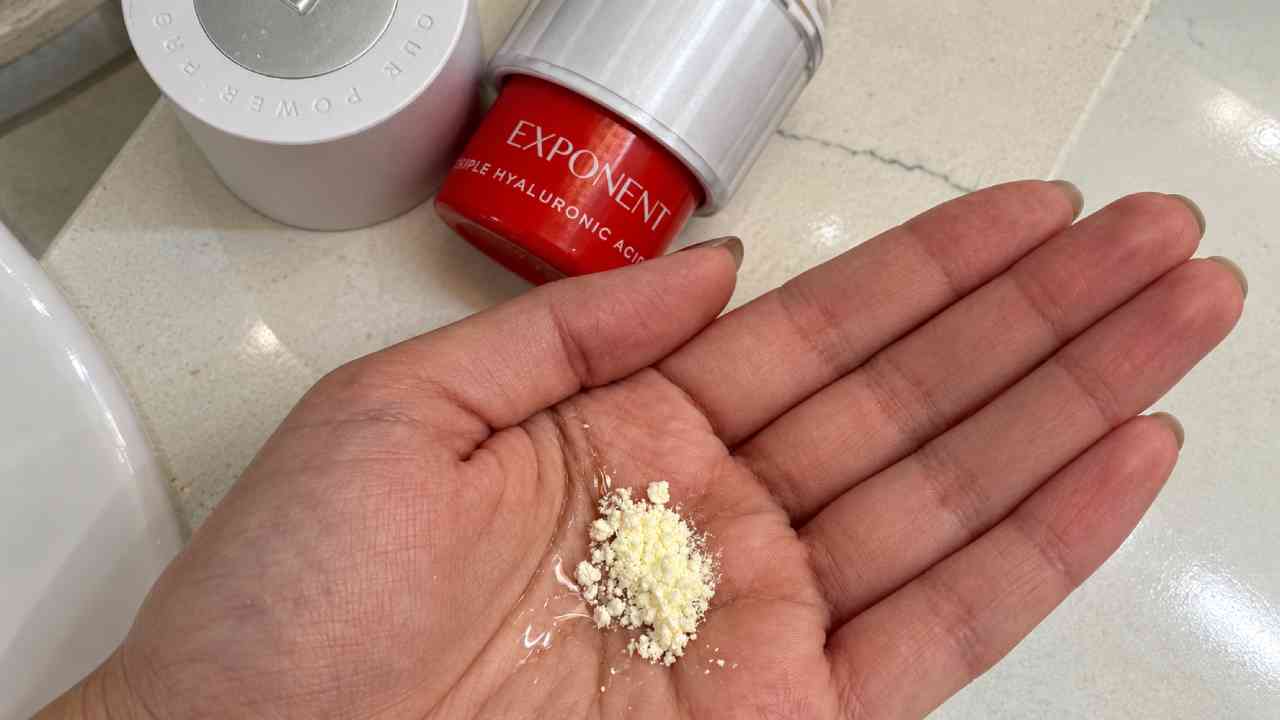
The concept behind Vitamin C Powder is surprisingly straightforward. Users place a measured amount of powder in their hand. Next, they add a compatible serum or liquid base. They mix both components before applying the blend to their skin. Some systems use a hyaluronic acid serum as the hydrating base. This method creates a fresh mixture shortly before application. However, accurate dosing matters. Consumers should not treat cosmetic systems like homemade chemistry experiments. Concentration and formulation can influence both comfort and performance. Therefore, users should always follow the directions for their specific product. When developers design the two components to work together, the extra step can remain simple. It also creates a different experience from opening a bottle and applying a conventional serum.
A Different Approach to Traditional Vitamin C Serum
Traditional vitamin C serums remain popular because they offer convenience. Consumers can apply the formula immediately without mixing anything. Powdered systems require slightly more participation. That difference creates both benefits and trade-offs. On one hand, the dry format may help protect sensitive ingredients before use. On the other hand, mixing two components takes extra time. Some people may enjoy the ritual, while others may prefer a ready-to-use serum. Therefore, consumers should not automatically view powder as superior. A carefully formulated liquid serum can still work well. Instead, powdered vitamin C simply provides another delivery format. Its appeal comes from approaching stability differently. In a beauty market filled with similar serums, that practical difference can make the format stand out.
Brightening Is Only Part of Vitamin C’s Appeal
Brightening may attract attention, but vitamin C offers broader skincare benefits. As an antioxidant, it helps counter oxidative stress from environmental factors. Vitamin C also plays an important role in normal collagen production. For that reason, many skincare routines use it to address visible dullness and uneven tone. However, results usually require patience and consistency. Consumers should not expect dramatic changes after only a few applications. Daily sun protection also remains important. In practice, a brightening product cannot replace sunscreen. Instead, both products can support a balanced morning routine. Powdered vitamin C changes how people prepare the ingredient, but healthy skincare habits still matter more than novelty. Consistency, appropriate products, and realistic expectations remain essential.
Pairing Vitamin C With a Hydrating Serum
A hydrating base can make powdered vitamin C easier to use. Hyaluronic acid is one familiar option because many skincare formulas use it to support hydration. When developers create a powder specifically for a matching serum, users can combine both components with less guesswork. Nevertheless, consumers should avoid randomly mixing active products. Different formulas contain different concentrations, pH levels, and supporting ingredients. As a result, an unsuitable combination may cause discomfort or change how a product performs. A purpose-built two-part system offers a more controlled approach. The manufacturer can specify the correct amount and mixing method. For beginners, this makes more sense than experimenting with raw powders. Clear directions also help users keep their routine simple and consistent.
Sensitive Skin Needs a Careful Approach
A fresh format does not automatically make vitamin C suitable for every skin type. Some people experience stinging, dryness, or redness with stronger L-ascorbic acid formulas. Therefore, people with sensitive skin should introduce new products carefully. They can start with less frequent use and observe how their skin responds. A patch test can also provide useful information before full-face application. In addition, users should follow the recommended amount. Adding extra powder can create a stronger mixture than intended. That approach may increase discomfort rather than improve results. Skin condition can also change from week to week. For example, an impaired skin barrier may react differently to an active formula. Consequently, users should adjust their routines when necessary. Comfortable consistency usually matters more than aggressive use.
Fresh Mixing Creates a More Interactive Routine
There is also an experiential reason why Vitamin C Powder can stand out. Many consumers now consider texture and application when choosing skincare. Mixing powder with serum introduces a small interactive step. Instead of applying a finished product immediately, users prepare the formula moments before use. That process can make a morning routine feel more deliberate. However, novelty alone should never determine product quality. Consumers should still examine concentration, instructions, packaging, and overall formulation. Moreover, dramatic marketing promises deserve careful consideration. No skincare product can create flawless skin overnight. A useful formula should clearly explain its purpose and application method. When brands get those fundamentals right, the mixing ritual can become a practical feature rather than a simple gimmick.
Powder Versus Liquid Is Not a Simple Competition
It may seem natural to compare Vitamin C Powder directly with traditional serum. However, neither format automatically wins. Liquid formulas provide convenience and can perform well when manufacturers formulate and package them carefully. Powder systems use another strategy to manage stability. Therefore, the best option depends on the individual formula and the user’s routine. Someone with a busy morning may prefer a simple serum. Meanwhile, another person may enjoy preparing a fresh mixture. Cost, concentration, skin tolerance, packaging, and convenience also matter. More importantly, format alone cannot guarantee better results. Consumers should evaluate the complete product rather than chase a trend. This balanced approach makes it easier to separate practical skincare innovation from temporary beauty hype.
Read Also: Loafers Are Back in Focus With Fresh Styling Ideas for Fall 2026
Sunscreen Remains Essential for a Brightening Routine
Any routine focused on brighter-looking skin should include sun protection. Vitamin C can complement such a routine, but it cannot replace sunscreen. Ultraviolet exposure contributes to visible skin aging and uneven pigmentation. Therefore, broad-spectrum sunscreen remains a fundamental morning step. Many people use vitamin C before moisturizer and sunscreen. However, the ideal order can depend on the products in a routine. The main goal is to create simple steps that users can repeat consistently. In my view, skincare trends sometimes distract people from these basics. New ingredients and formats can feel exciting, but foundational habits still matter. Powdered vitamin C may offer an innovative delivery method. Yet, sun protection, gentle cleansing, hydration, and consistency remain central to sensible skincare.
Could Powdered Actives Become a Bigger Skincare Trend?
The idea behind Vitamin C Powder could extend beyond vitamin C. Skincare developers continue to explore new ways to protect sensitive ingredients before application. Powdered actives, dual-chamber packaging, and freshly mixed formulas follow a similar principle. They separate certain components until consumers need them. If people enjoy these formats, brands may explore the concept further. However, convenience will remain important. Most consumers want products that fit easily into everyday life. A complicated routine can quickly lose its appeal. Therefore, successful innovations need to balance freshness with simplicity. Powdered vitamin C demonstrates one possible approach. It adds an extra action without turning skincare into a lengthy process. That balance could influence future product design.
A Fresh Idea With Practical Potential
Vitamin C Powder does not need to replace traditional serum to become useful. Instead, it offers another approach to a familiar skincare challenge. The dry format keeps attention on freshness, preparation, and ingredient stability. It can also help consumers think more carefully about how active ingredients reach their skin. However, users should maintain realistic expectations. Skin type, concentration, formulation quality, consistency, and sun protection all influence results. A powder cannot guarantee perfect skin. Still, this format can make an established ingredient feel fresh again. As skincare technology develops, meaningful innovation may come from more than discovering new ingredients. Sometimes, changing how brands deliver a familiar active can create an equally interesting shift.