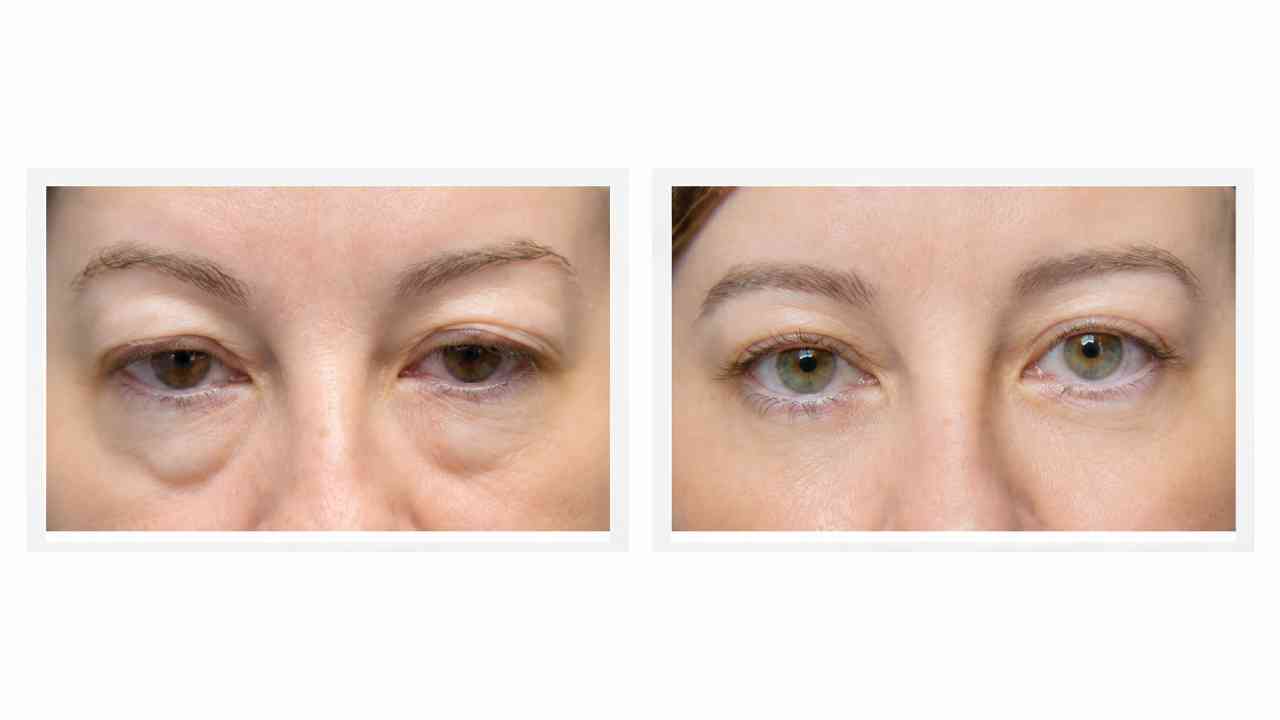
Beauty Rival – Blepharoplasty gains attention as more beauty discussions explore surgical options for tired-looking eyes. The procedure focuses on excess eyelid skin, protruding fat, or visible under-eye bags. Unlike ordinary skincare, it addresses certain structural changes around the eyes. However, surgery is not necessary for everyone who notices these features. Recent beauty coverage has highlighted personal experiences with eyelid procedures. These stories often explore confidence, aging, and individual expectations. As a result, blepharoplasty has become an interesting subject within modern aesthetic conversations. Some people want a refreshed appearance, while others prefer to embrace natural facial changes. Both perspectives deserve respect. Furthermore, understanding the procedure helps readers separate realistic outcomes from beauty marketing. The growing discussion also raises important questions about recovery, medical safety, and personal choice. Ultimately, informed decisions matter more than following a cosmetic trend.
Understanding How Blepharoplasty Changes the Eye Area
Blepharoplasty is a surgical procedure that modifies tissues around the upper or lower eyelids. Upper eyelid surgery generally removes or adjusts excess skin and, when appropriate, underlying fat. Meanwhile, lower eyelid surgery may reposition or remove fat that contributes to visible bags. Surgeons choose techniques according to individual anatomy and treatment goals. For example, some lower eyelid procedures use an incision inside the eyelid. This approach may avoid a visible external scar. However, not every patient qualifies for the same technique. A careful examination helps determine whether surgery can address the concern. Importantly, blepharoplasty does not eliminate every type of dark circle or facial wrinkle. Skin pigmentation and hollow areas may require different approaches. Therefore, understanding the specific cause of an under-eye concern is essential before considering treatment.
Why Eye Bags Become More Noticeable Over Time
Eye bags can develop for several reasons, including genetics, aging, and changes in facial tissue. As people grow older, skin gradually loses some elasticity. Meanwhile, supporting structures around the eyelids may weaken. Fat that normally cushions the eyes can become more prominent. Consequently, the lower eyelids may appear fuller or swollen. However, not every visible eye bag results from aging. Some people develop this feature during their twenties or thirties. Family history can influence facial anatomy and the appearance of under-eye fullness. In addition, temporary puffiness may become more noticeable after poor sleep or increased fluid retention. These different causes explain why one solution cannot work for everyone. Skincare may improve surface texture or temporary puffiness, but it cannot reliably reposition protruding fat. Therefore, identifying the underlying cause is an important first step.
Read Also: DeMellier Handbags Capture Attention with Timeless Elegance and Luxury
Modern Beauty Trends Encourage More Personal Choices
Beauty standards have changed as people discuss cosmetic procedures more openly. Social media, celebrity interviews, and personal essays have increased public awareness of aesthetic treatments. However, greater visibility does not automatically prove that a procedure is becoming more common. Reliable statistics are needed to establish actual growth in surgical demand. Meanwhile, personal stories reveal how complicated beauty decisions can become. Some individuals seek subtle changes because they feel their appearance no longer reflects their energy. Others reject cosmetic pressure and celebrate the natural signs of aging. Both choices can reflect personal confidence. Furthermore, the desire for natural-looking results has shaped many conversations about facial rejuvenation. Patients may prefer improvements that preserve their recognizable features. Nevertheless, surgery should never be treated as a requirement for looking attractive, professional, or healthy.
What Happens During an Eyelid Surgery Consultation
A blepharoplasty consultation usually begins with a discussion about medical history and personal expectations. The surgeon examines eyelid position, skin quality, and surrounding facial structures. They may also assess eye health and symptoms such as dryness. Furthermore, patients should disclose medications, previous surgeries, and relevant medical conditions. These details help the medical team evaluate potential risks. During the appointment, the surgeon can explain available techniques and expected limitations. For instance, a patient concerned about dark circles may discover that surgery cannot address pigmentation. Similarly, temporary swelling may have a cause unrelated to excess eyelid fat. A responsible consultation should include realistic recovery information and possible complications. Patients should also understand the surgeon’s qualifications and experience. Most importantly, they need enough time to consider their options without pressure or unrealistic promises.
Recovery After Blepharoplasty Requires Time and Patience
Recovery is an important part of the blepharoplasty experience. During the first several days, patients may notice swelling, bruising, and temporary discomfort. Some also experience watery eyes, dryness, or sensitivity to light. However, the intensity of these symptoms varies between individuals. Surgeons often recommend cold compresses during the early recovery period when appropriate. They may also advise patients to keep their heads elevated while resting. Furthermore, strenuous activities may need to be limited temporarily. Many patients see visible bruising improve within one to two weeks. Nevertheless, residual swelling and scar maturation can continue for longer. Follow-up appointments allow the medical team to assess healing and identify possible complications. Patients should follow their surgeon’s specific instructions rather than relying on social media recovery timelines. Healing deserves patience, especially around the delicate eye area.
Understanding the Risks Behind Cosmetic Eye Surgery
Although blepharoplasty is an established surgical procedure, it still carries medical risks. Possible complications include infection, bleeding, dry eyes, and noticeable scarring. Some patients may experience temporary difficulty closing their eyes completely. In addition, eyelid asymmetry or an unsatisfactory cosmetic result may occur. Rare complications can affect vision and require urgent medical attention. Therefore, choosing an appropriately qualified surgeon is essential. Patients should also discuss existing eye conditions before scheduling surgery. For example, significant dry-eye symptoms may influence treatment planning. Furthermore, recovery instructions play an important role in reducing avoidable problems. Cosmetic surgery advertisements sometimes emphasize dramatic improvements while giving limited attention to complications. However, responsible medical information should present benefits and risks together. A balanced understanding allows people to make decisions based on health, anatomy, and realistic expectations.
Blepharoplasty Costs Depend on Several Important Factors
The cost of blepharoplasty varies according to location, surgical technique, and professional fees. Upper and lower eyelid procedures may have different prices. Furthermore, anesthesia, operating facilities, and follow-up care can influence the final expense. Some patients also consider additional treatments, which increase overall costs. However, combining procedures is not automatically necessary or appropriate. A detailed consultation should explain which services are included in the quoted price. Patients should also ask about possible additional expenses and postoperative appointments. In most cases, cosmetic eyelid surgery is not covered by health insurance. Nevertheless, certain upper eyelid procedures may qualify for coverage when excess skin significantly affects vision. Eligibility depends on medical documentation and insurance rules. Therefore, patients should verify their coverage before making financial commitments. Cost matters, but medical qualifications and safety deserve greater priority.
A Balanced Perspective on Blepharoplasty and Natural Aging
Blepharoplasty gains interest because it connects modern cosmetic medicine with personal feelings about aging. For some people, visible eye bags create a tired appearance that does not match how they feel. Others view these features as natural parts of their identity. Neither perspective should determine what everyone else must choose. Instead, the most useful beauty conversation focuses on informed decisions and realistic expectations. Surgery can address specific anatomical concerns, but it cannot guarantee greater confidence or happiness. Furthermore, the results depend on individual anatomy, surgical planning, and healing. Patients should consider their motivations carefully and seek professional medical advice. Meanwhile, beauty publications can help readers by explaining procedures without presenting them as essential improvements. The real value of these discussions lies in understanding available choices while respecting different approaches to appearance and aging.