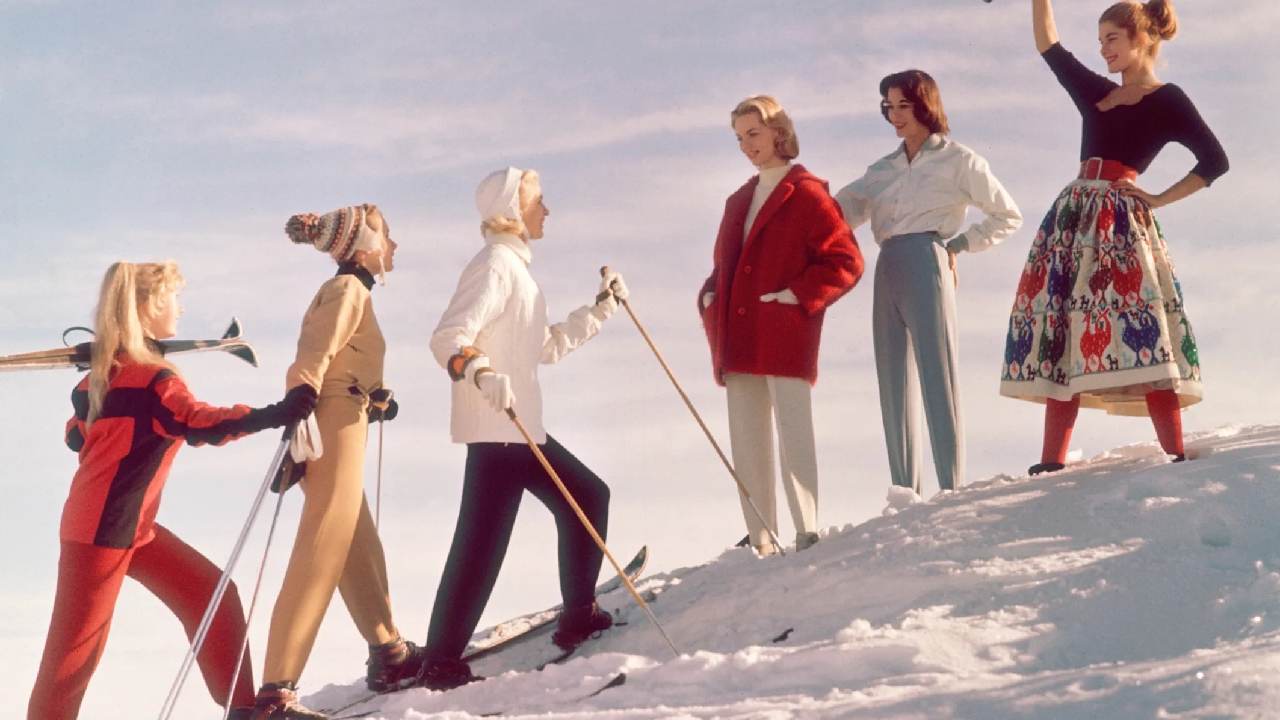
BeautyRival – In the 1950s, Ski Fashion was not merely about warmth or performance; it was a declaration of elegance in cold climates. Winter resorts became social theaters where style mattered as much as skill on the slopes. Newspapers faithfully chronicled these moments through columns like “They Are Wearing,” capturing what fashionable skiers donned in Aspen, Vail, St. Moritz, and Gstaad. Cashmere sweaters, tailored pants, and refined accessories dominated the après-ski scene, blending European sophistication with American leisure. At this time, skiing symbolized privilege and aspiration, and clothing reflected that identity. The après-ski look extended beyond practicality, shaping a lifestyle narrative that resonated far from snowy mountains. Fashion editors treated resort towns as seasonal runways, ensuring readers stayed connected to trends born in alpine air yet destined for city streets.
Sugarbush Vermont and Pucci’s Moment in the Spotlight
By the early 1960s, Sugarbush, Vermont, unexpectedly emerged as a northern style capital. In 1962, fashion editors turned their attention there, recognizing its influence on ski aesthetics in the United States. At the center of this shift stood Emilio Pucci, whose bold patterns and sleek silhouettes redefined slope fashion. Pucci’s designs brought color, confidence, and movement, offering skiers a sense of glamour without sacrificing comfort. His pieces quickly became must-haves, signaling a new era where designer labels thrived even in freezing conditions. This moment marked a transition, as ski wear began aligning more closely with high fashion. Sugarbush proved that innovation did not belong solely to Europe’s elite resorts, but could flourish wherever style met confidence and creativity.
The 1970s Explosion of Color and Self-Expression
The 1970s introduced a radically different energy to ski fashion, reflecting broader cultural change. A new generation of skiers embraced experimentation, favoring vibrant colors, metallic finishes, bold prints, and striking plaids. At the same time, all-black ensembles projected confidence and rebellion. Ski resorts transformed into social melting pots where celebrities, socialites, and locals mingled freely. Après-ski lounges and discotheques became stages for personal expression, blending nightlife with mountain culture. In 1974, photographs of actress Janet Leigh and her daughters in Sun Valley captured this spirit perfectly, symbolizing generational transition and evolving style attitudes. Ski fashion no longer whispered exclusivity; instead, it celebrated individuality, freedom, and playful excess that mirrored the decade’s artistic pulse.
Fashion Photography and Celebrity Influence on the Slopes
Photography played a crucial role in cementing ski fashion’s cultural relevance. Images published in newspapers and magazines carried alpine style into living rooms worldwide. When actresses, musicians, and rising stars appeared in ski attire, their influence extended beyond the mountains. These moments blurred the lines between sport, leisure, and celebrity culture. Ski fashion became aspirational, not just functional. Readers saw themselves reflected in these stories, imagining lives filled with travel, elegance, and adventure. As visual storytelling evolved, ski wear gained emotional resonance. It was no longer just clothing for cold weather but a symbol of belonging to a sophisticated, global lifestyle shaped by movement, freedom, and shared experience.
“Read More : Raf Simons Brings Three Decades of Streetwear History to Tokyo in a Rare Archive Sale”
From Performance Gear to Luxury Runways
Decades later, ski fashion continues to transcend its functional roots. Luxury brands like Bogner and Moncler elevated technical garments into runway-ready statements, merging innovation with refinement. At the same time, heritage and performance leaders such as Patagonia, Helly Hansen, and The North Face reshaped outdoor wear with sustainability and design in mind. This convergence blurred boundaries between high fashion and performance gear. Ski jackets, insulated pants, and base layers found new life in urban wardrobes. Consumers began valuing versatility, durability, and aesthetics equally. Ski fashion’s adaptability proved its lasting relevance, evolving alongside changing values while maintaining its identity rooted in exploration and resilience.
The Olympic Effect and a New Generation of Snow Culture
Looking ahead, global events like the 2026 Winter Olympics in Milano Cortina continue to fuel interest in ski and snowboarding culture. These moments inspire younger audiences to embrace winter sports as lifestyle statements. Social media amplifies this influence, turning slopes into digital showcases of personal style. Cold-weather fashion now balances heritage, innovation, and self-expression. For many, ski wear represents more than sport; it embodies freedom, adventure, and connection to nature. As history shows, ski fashion evolves with each generation, yet always reflects the same desire to merge function with identity. From the 1950s après-ski lounges to modern runways, its story remains deeply human and endlessly inspiring.