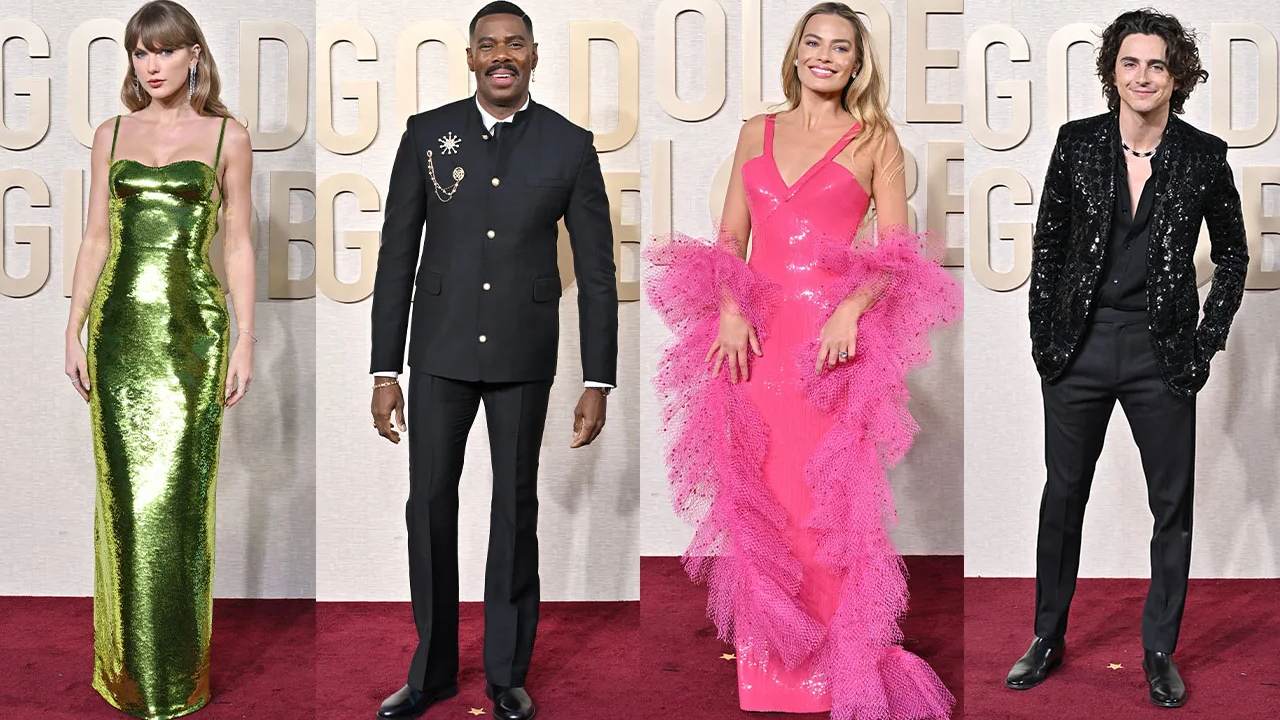
BeautyRival – The Red Carpet in 2025 no longer functioned as a simple showcase of good taste. Polished and chic became the baseline, not the goal. What mattered was attention measured in conversation, memes, screenshots, and cultural echo. Celebrities did not just dress for photographers; they dressed for algorithms. Every step onto the carpet carried intention, from silhouette to color to reference. Fashion transformed into a language of impact rather than refinement. The most successful looks provoked emotion, disagreement, or delight, because neutrality simply failed to travel. In this environment, viral reach became as valuable as craftsmanship. Style evolved into strategy, and the red carpet turned into one of culture’s most powerful live platforms, where relevance was built in real time and meaning extended far beyond the event itself.
Method Dressing Evolves Into Narrative World-Building
Method dressing reached a new level in 2025, moving beyond literal costumes into narrative expansion. The strongest examples treated the red carpet as an extension of storytelling. Lindsay Lohan instinctively understood this while promoting Freakier Friday. Instead of copying the original film’s wardrobe, she revisited its visual codes and reframed them through modern silhouettes and styling that resonated with TikTok-era nostalgia. The result felt sincere, not gimmicky. It bridged generations, inviting longtime fans and younger audiences into the same conversation. Method dressing became less about imitation and more about emotional continuity. By aligning fashion with character growth and cultural memory, stars used clothing to deepen stories rather than simply reference them, turning press tours into layered narrative experiences.
“Read More : Raf Simons Brings Three Decades of Streetwear History to Tokyo in a Rare Archive Sale”
Heightened Glamour as Character Evolution
The Wicked: For Good press tour demonstrated how glamour itself could evolve alongside a story. Cynthia Erivo and Ariana Grande leaned into theatrical proportions, darker palettes, and elevated craftsmanship that mirrored their characters’ development. Each appearance felt deliberate, showing progression rather than repetition. Alexander Skarsgård pushed this idea further while promoting Pillion, embracing provocative, BDSM-coded dressing that rejected universal approval. His looks thrived on cultural friction, proving that discomfort drives engagement faster than consensus. In 2025, fashion that challenged expectations cut through the noise most effectively. These moments reminded audiences that red carpet dressing could still surprise, unsettle, and provoke thought, reinforcing its role as a space for artistic risk rather than safe admiration.
Timothée Chalamet and the Power of Polarization
Few understand the algorithmic reality of fashion better than Timothée Chalamet. Throughout the Marty Supreme press tour, he treated the red carpet as a testing ground for risk. His monochromatic orange Tom Ford by Haider Ackermann look divided opinion instantly. Memes followed within minutes, but so did cultural dominance. The reaction itself became the success metric. In a digital ecosystem driven by engagement, polarization proved more powerful than quiet approval. Chalamet’s willingness to embrace ridicule as part of relevance highlighted a key rule of 2025 red carpet strategy: impact matters more than agreement. His appearances reinforced that fashion, when bold enough, can command attention regardless of approval.
Red Carpets as Real-Time Creative Referendums
Designer debuts no longer lived exclusively on runways. In 2025, the red carpet became fashion’s fastest feedback loop. Teyana Taylor wearing Matthieu Blazy’s Chanel at the Gotham Awards instantly positioned her as both muse and messenger. Greta Lee and multiple Jonathan Anderson Dior moments turned premieres into public evaluations of new creative leadership. Social media acted as judge and jury, delivering instant verdicts through likes, shares, and commentary. These appearances carried stakes. They shaped perception before collections even reached stores. The red carpet evolved into a live referendum where creative direction faced immediate cultural response, collapsing the distance between industry insiders and the global audience.
Power Couples and Cultural Authority
A$AP Rocky’s appointment as a Chanel ambassador marked a turning point in menswear perception at the house. His appearances reframed Chanel not as a novelty for men but as a serious cultural proposition. Alongside him, Rihanna continued her unmatched dominance. Her maternity looks from Marc Jacobs at the Met Gala to a reimagined Saint Laurent gown rewrote expectations around pregnancy and glamour. Together, they operated less as attendees and more as architects of conversation. Their presence elevated events into cultural moments. In 2025, power couples like Rihanna and Rocky did not follow red carpet trends; they set them, reinforcing fashion’s role in shaping identity, visibility, and authority.
Nostalgia, Archives, and Emotional Recognition
Gen Z’s love for vintage peaked in visibility during 2025, but the most powerful moments relied on recognition. Cynthia Erivo’s 1997 Givenchy by Alexander McQueen, Ariana Grande’s 2007 Galliano Dior, and Mikey Madison’s 1992 Giorgio Armani carried instant emotional memory. History became part of the storytelling. The moment that truly cut through arrived when Apple Martin joined Gwyneth Paltrow wearing the same Calvin Klein dress Paltrow wore in 1996. The image sparked nostalgia, conversation, and cultural continuity. In 2025, the red carpet did not just reflect fashion history it activated it, proving that memory remains one of the strongest tools for cultural impact.