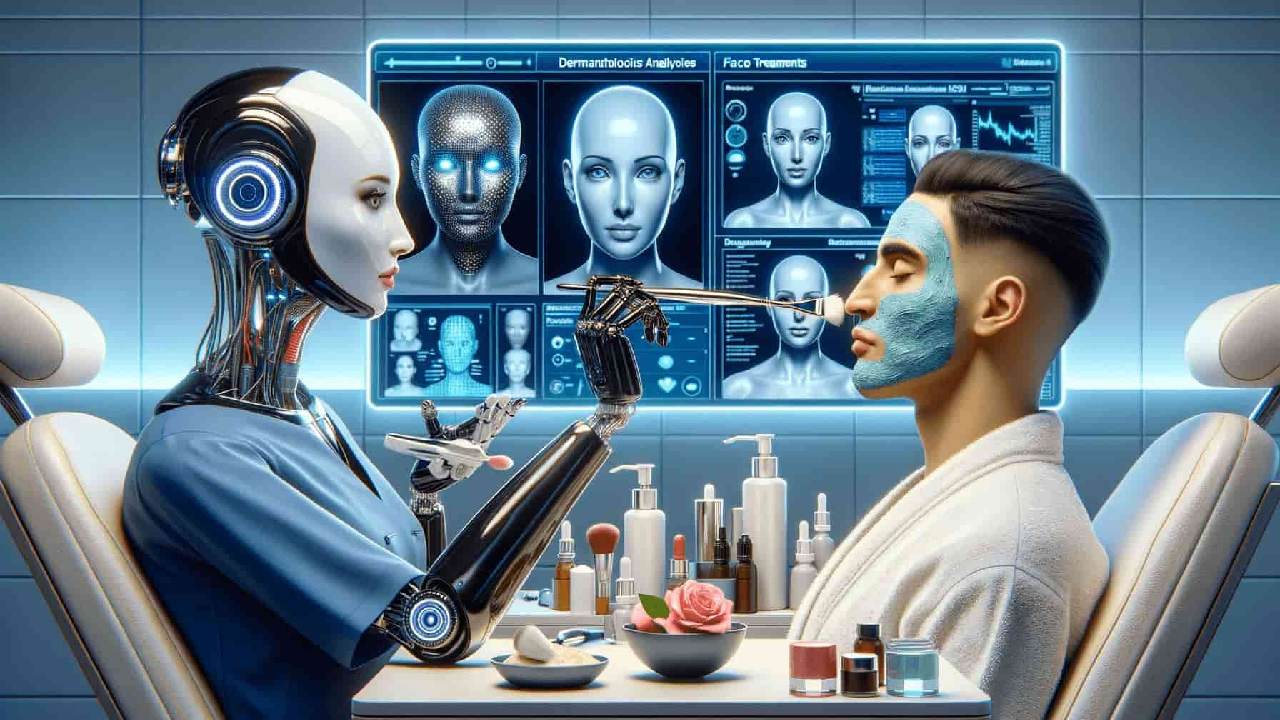
BeautyRival – In the mid- to late-2010s, a surprising shift began to take shape as veteran engineers turned their attention from household appliances, Robotic, and medical devices to the beauty industry. These problem-solvers saw a familiar challenge: services that consumers love but find difficult to access due to time, cost, and availability. Out of that observation came robotic beauty systems designed to deliver consistent results faster. Companies like 10Beauty and Luum emerged from this mindset, led by teams with backgrounds at Keurig, Shark Ninja, Roomba, Apple, and medical robotics firms. What once sounded futuristic is now appearing inside mainstream retailers. These innovators are not chasing novelty for its own sake. Instead, they aim to remove friction from everyday beauty routines, translating years of engineering discipline into tools meant to serve real, unmet consumer needs.
Robotic Manicures Testing the Market
Boston-based 10Beauty offers one of the clearest examples of this shift from concept to reality. Its robotic manicure machine quietly debuted in select Ulta stores, delivering multi-step manicures priced at $30. Each session takes between 25 and 45 minutes, and early demand has been strong. Since launch, appointments have sold out consistently, even with limited daily availability. For now, a professional nail technician remains present to guide customers and manage unexpected issues. This hybrid model allows the technology to learn while maintaining trust. The company’s leadership describes the process as deliberately cautious, prioritizing reliability over speed. Over time, software updates are expected to reduce the need for human intervention. The goal is not spectacle, but consistency, convenience, and confidence at scale.
Lash Extension Robots and Human Precision
While 10Beauty works toward partial automation, Luum takes a different approach with its lash extension robot. Currently available at select Nordstrom locations, the system delivers precise lash applications using robotics while still relying heavily on trained technicians. Luum’s leadership is clear that certain steps, including eye safety and lash preparation, require a human touch. Appointments last about 90 minutes today, with plans to reduce that time significantly. Early data shows strong repeat usage, and notably, many first-time lash customers are entering the category through this technology. That expansion matters. By reducing intimidation and increasing consistency, the robot acts as an entry point rather than a replacement. Luum positions automation as an enhancement to craftsmanship, not a shortcut around it.
Retailers Betting on Speed and Convenience
Major retailers are watching these developments closely. Nordstrom and Ulta see robotic services as tools to better serve time-conscious customers without sacrificing quality. Lashes and nails remain core parts of many beauty routines, yet they often require long appointments that clash with busy schedules. Robotic systems promise predictable timing and standardized outcomes, which fits well within retail environments. For stores, these technologies also create new service touchpoints that blend shopping with experience. Retail executives emphasize that the appeal lies in choice. Customers can still opt for traditional services, but they now have alternatives designed for efficiency. In an era where convenience often dictates loyalty, these machines quietly support broader shifts in how beauty services integrate into everyday life.
“Read More : Kendall Jenner and the Power of You: A New Chapter for Emporio Armani Fragrance”
Investors Backing Function Over Flash
The robotic beauty category remains small, but it has attracted notable investors who see long-term potential. Firms like Imaginary Ventures supported 10Beauty before launch, drawn by its focus on solving genuine consumer pain points. High-profile backers, including fashion and beauty icons, add credibility but do not define the business case. Investors emphasize that success depends on usefulness, not hype. These systems address experiences that did not previously exist: fast, consistent beauty services embedded in retail. With more than $50 million raised, 10Beauty reflects confidence that automation can coexist with craftsmanship. The underlying bet is simple. If technology reduces friction without removing care, consumers will adopt it naturally.
A Measured Path Toward Scaling in 2026
As 2026 approaches, the next phase for robotic beauty lies in proving scalability without sacrificing trust. Both 10Beauty and Luum describe their current stage as careful and deliberate. Expansion plans focus on regional growth, performance data, and gradual increases in autonomy. The aim is to let systems mature before aggressive rollout. This approach reflects an understanding that beauty is deeply personal. Automation must feel supportive, not intrusive. Robots may speed up services, but they cannot replace empathy or judgment. Instead, they reshape workflows, allowing technicians to focus on oversight and personalization. If successful, robotic beauty will not disrupt salons overnight. It will quietly redefine expectations, one appointment at a time.