Beauty Rival – Choosing eye makeup becomes easier when the formula works with changing skin texture instead of fighting against it. The best Eyeshadow Recommendations for mature eyes usually focus on smooth finishes, flexible textures, and flattering shades. As the eyelids become drier or more textured, heavy powder can settle into fine lines. Therefore, professional makeup artists often prefer lightweight creams, soft satin powders, and buildable formulas. These products create definition without making the eye area feel overloaded. In addition, thoughtful preparation can improve both comfort and wear time. Mature eye makeup does not need to look overly subtle or limited. Instead, the right products can deliver polished color, gentle brightness, and elegant depth while keeping the final result modern and fresh.
Read Also: Zendaya Turns Spider-Man Promotions Into a Striking Fashion Showcase
Cream Eyeshadow Creates a Smooth and Flexible Finish
Cream eyeshadow often works beautifully on mature eyelids because it blends easily and moves naturally with the skin. Unlike dry powders, a creamy formula can add color without creating a chalky surface. However, the texture should feel lightweight rather than thick or sticky. A small amount usually provides enough pigment for a polished daytime look. Moreover, cream shadows can be applied with a fingertip, which makes them practical for quick routines. Soft taupe, bronze, rose, and champagne shades tend to suit many skin tones. For longer wear, allow each thin layer to set before adding more color. This method gives better control and reduces creasing. In my view, a good cream shadow is one of the most useful products for creating effortless mature eye makeup.
Satin Finishes Bring Light Without Emphasizing Texture
A satin eyeshadow sits between matte and shimmer, making it an excellent choice for mature eyes. It reflects light gently, so the eyelids appear brighter without looking overly glittery. Large sparkle particles may highlight dryness or uneven texture, while flat matte shades can sometimes make the eyes look tired. Satin formulas offer a balanced alternative because they add softness and dimension. Apply a light satin shade across the mobile lid, then blend a slightly deeper tone near the outer corner. This simple combination creates natural definition without requiring complicated techniques. Additionally, soft champagne, muted peach, warm beige, and subtle gold shades can refresh the eye area. The final effect looks elegant, especially when the color is blended in thin and even layers.
Matte Shades Still Matter for Natural Definition
Matte eyeshadow remains useful for shaping mature eyes, although the formula must feel smooth and finely milled. Dry or heavily pigmented mattes can look patchy, especially when applied too quickly. Therefore, begin with a small amount and build the color gradually. A soft brown or muted taupe placed slightly above the natural crease can make the eyes appear more lifted. This technique works particularly well for hooded lids because the color stays visible when the eyes remain open. Meanwhile, a deeper matte shade near the outer lash line adds structure without the harshness of black. Avoid covering the entire lid with a dark matte tone, since that can make the eye area appear smaller. Instead, use matte shadows as supporting colors that create balance and gentle contrast.
Neutral Colors Offer the Most Versatile Results
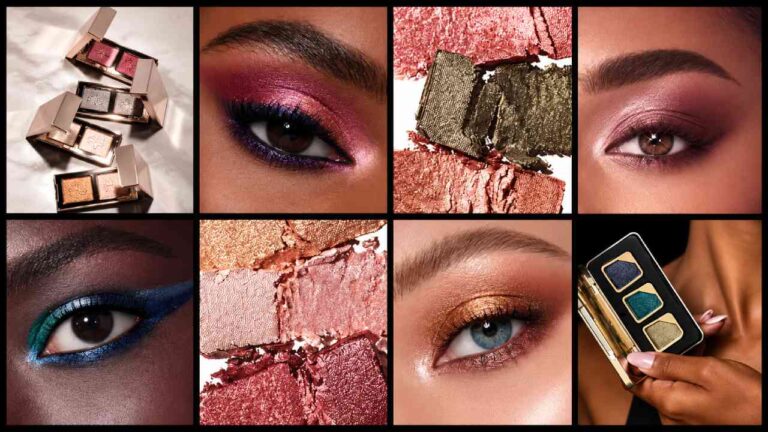
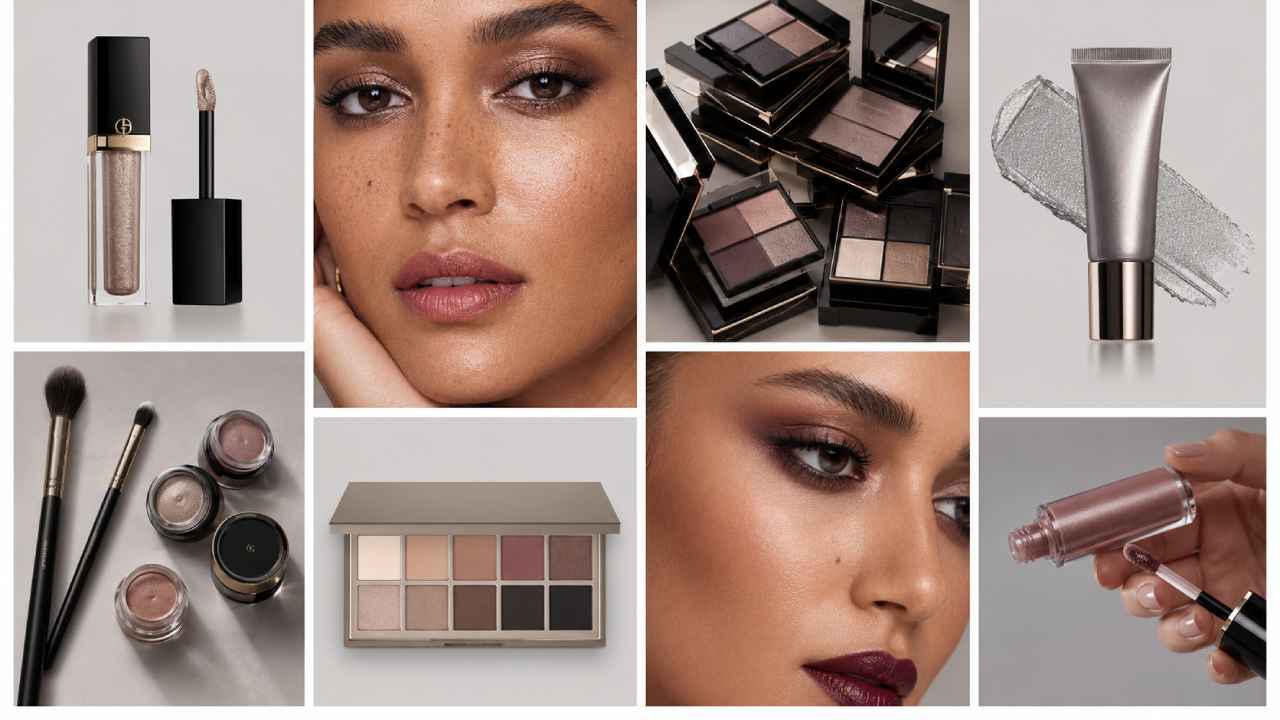
Neutral shades remain popular because they enhance the eyes without competing with the rest of the makeup. However, neutral does not mean boring. Warm browns, soft mauves, rosy beige, bronze, and muted plum can create rich looks while staying wearable. The ideal shade often depends on skin tone, eye color, and personal style. For example, bronze can warm up blue or green eyes, while muted plum may highlight brown or hazel eyes. Furthermore, softer neutrals blend more easily than intense black or bright white. This makes them more forgiving when the eyelid has texture. A small palette with four or five coordinated shades often provides everything needed for daytime and evening looks. As a result, buying one thoughtful palette can be more useful than collecting many unrelated colors.
Eyeshadow Sticks Make Application Quick and Controlled
Eyeshadow sticks are practical because they combine pigment, precision, and portability in one product. Their creamy texture allows color to glide across the lid without pulling the delicate skin. In addition, the pointed shape makes it easier to place color exactly where it is needed. Apply the product close to the lash line, then blend upward with a small brush or fingertip. This creates depth while keeping the upper lid clean and open. A waterproof or long-wear formula can also help prevent fading during the day. Nevertheless, work on one eye at a time because some sticks set quickly. Taupe, chocolate, copper, and soft pearl shades are especially versatile. For many people, eyeshadow sticks simplify the routine while still producing a polished and professional result.
Proper Eyelid Preparation Improves Every Formula
Even the best eyeshadow may crease when the eyelid has too much skincare or natural oil. Therefore, preparation should begin with a light layer of moisturizer that fully absorbs before makeup application. If the eyelid still feels slippery, gently press away the excess with a clean tissue. A thin eye primer can then create a smoother base and improve color longevity. However, avoid thick concealer layers because they may gather in fine lines. When using primer, choose a flexible formula that does not dry the skin. Let it settle briefly before applying shadow. This simple process helps cream, satin, and matte products blend more evenly. In practice, careful preparation often makes a greater difference than buying an expensive palette. A balanced base allows the makeup to look cleaner and last longer.
Soft Brushes Help Protect Delicate Mature Skin
The right brush can improve blending while preventing unnecessary pulling around the eyes. Mature eyelids often respond better to soft, flexible bristles that distribute pigment gradually. A small fluffy brush works well for crease color, while a flat brush helps place satin shadow across the lid. For precise definition, use a short angled brush along the lash line. Avoid pressing too hard because heavy pressure can create uneven patches and irritate sensitive skin. Instead, use light circular movements and blend the edges patiently. Clean brushes also matter because product buildup can make application rough and inconsistent. Washing them regularly helps maintain softness and reduces the risk of irritation. Although tools may seem less important than products, they strongly influence how smooth and refined the final result appears.
Read Also: Why Greens Powders Are Becoming a Daily Wellness Essential
Simple Layering Prevents Creasing and Heavy Makeup
Layering thin amounts of eyeshadow produces a cleaner finish than applying one heavy coat. Start with the lightest shade, then add deeper color only where extra definition is needed. This method gives you time to assess the shape before the makeup becomes difficult to correct. Moreover, thin layers usually last longer because they adhere more evenly to the eyelid. When using cream products, allow the first layer to set before adding another. With powder, tap excess product from the brush to prevent fallout. Keep the deepest tone near the lash line or outer corner instead of spreading it across the entire eye. Consequently, the finished look remains lifted and balanced. This controlled approach also supports better readability in everyday makeup because each shade has a clear purpose.
A Softer Eyeliner Completes the Eyeshadow Look
Eyeshadow often looks more polished when paired with a softer form of eyeliner. Instead of using a sharp black line, try deep brown, charcoal, plum, or navy for gentler definition. A pencil can be blended with a small brush so the edge looks diffused rather than rigid. Alternatively, a matte eyeshadow applied along the lash line can create a similar effect. Keep the line thin near the inner corner and slightly thicker toward the outside. This placement can make the eyes appear more open and subtly lifted. Avoid stretching the eyelid while applying liner because the shape may change when the skin returns to its natural position. By combining soft liner with carefully chosen shadow, mature eye makeup can look defined, graceful, and naturally expressive.
Thoughtful Product Choices Create More Confident Makeup
The most useful Eyeshadow Recommendations focus on comfort, blendability, and personal preference rather than strict age-based rules. Mature eyes can wear satin, cream, matte, or even subtle shimmer when the texture feels refined. The key lies in using lightweight formulas, flattering colors, and controlled application. In addition, good lighting and a clear mirror can make the process easier and reduce over-application. Makeup should enhance personal expression, not create anxiety about visible texture. Therefore, choose products that feel pleasant and support the look you actually enjoy wearing. A simple routine with reliable formulas often creates better results than a large collection of complicated products. With thoughtful choices, eye makeup can remain creative, elegant, and enjoyable at every stage of life.