Beauty Rival – How the Divorce Dust Trend Sparked a Glitter Beauty Movement is more than just a catchy headline. It represents a cultural shift in how people view beauty, healing, and self-expression. In February 2026, short-form videos featuring women dusting glitter across their shoulders before dates went viral. However, the sparkle was not the only story. Instead, the ritual symbolized renewal and confidence. Consequently, what began as a niche TikTok moment quickly transformed into a global beauty conversation. From my perspective, this trend resonates because it blends emotion with aesthetics. It feels intentional rather than superficial.
“Read Also: Gucci’s Viral ‘It’ Coat Redefines Luxury Fashion“
The Origin of Divorce Dust on Social Media
The Divorce Dust phenomenon first gained attention on February 19, 2026, when creators began sharing personal transformation stories alongside shimmering body sprays. Rather than focusing on glam alone, they discussed growth after breakups or life transitions. As a result, the glitter became symbolic. Within days, hashtags linked to the trend accumulated millions of views. Therefore, beauty brands and influencers amplified the message. Social media once again proved its power in shaping modern beauty narratives. Unlike past viral trends, this one centered on storytelling and vulnerability.
Why Glitter Became a Symbol of Empowerment
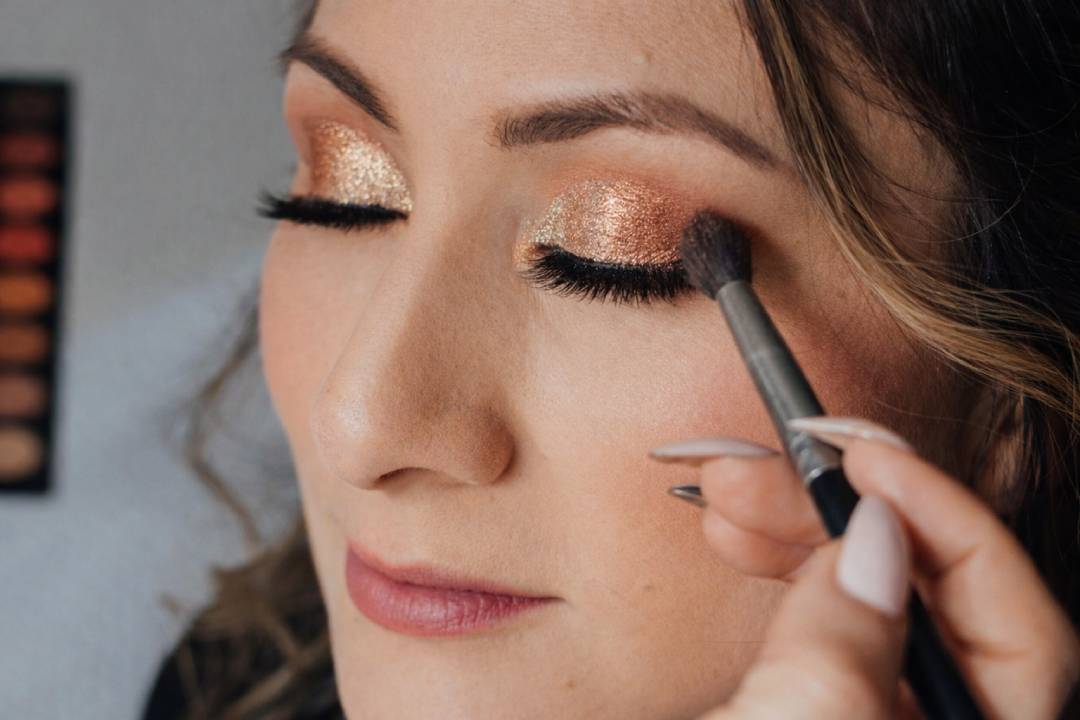
Glitter has long been associated with celebration and nightlife. However, How the Divorce Dust Trend Sparked a Glitter Beauty Movement shows a deeper evolution. In this context, shimmer represents resilience. Instead of masking pain, users embraced sparkle as a visible sign of strength. Moreover, applying glitter became a ritual of intention. Before stepping out, individuals declared confidence through luminous skin. Psychologically, rituals reinforce identity shifts. Therefore, the act of dusting glitter felt transformative. In my opinion, that emotional layer explains the trend’s rapid expansion.
The Role of Short-Form Video Culture
Short-form platforms played a crucial role in accelerating visibility. Videos featuring slow-motion glitter application were visually captivating. At the same time, personal captions added emotional depth. Consequently, viewers connected instantly. Algorithms favored high engagement, which amplified exposure. Additionally, creators from diverse backgrounds adapted the trend to reflect their own stories. This flexibility allowed the movement to grow organically. Compared to traditional marketing campaigns, user-generated storytelling felt more authentic. Thus, the trend expanded beyond its original niche audience.
Beauty Industry Response and Product Innovation
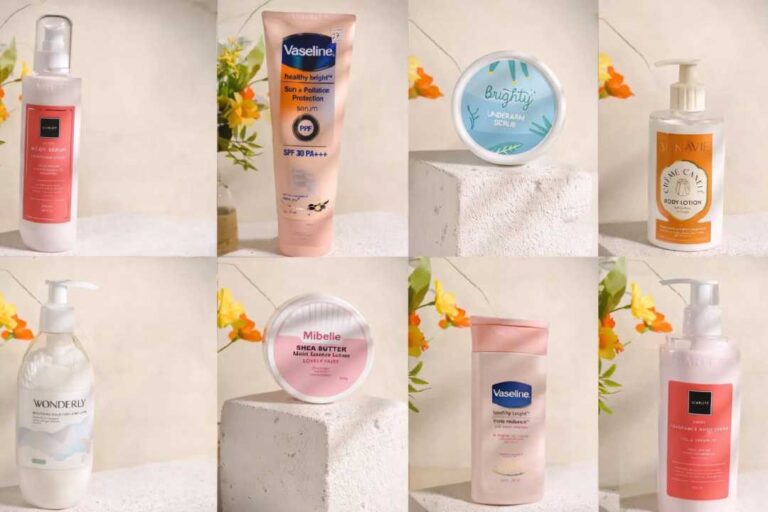
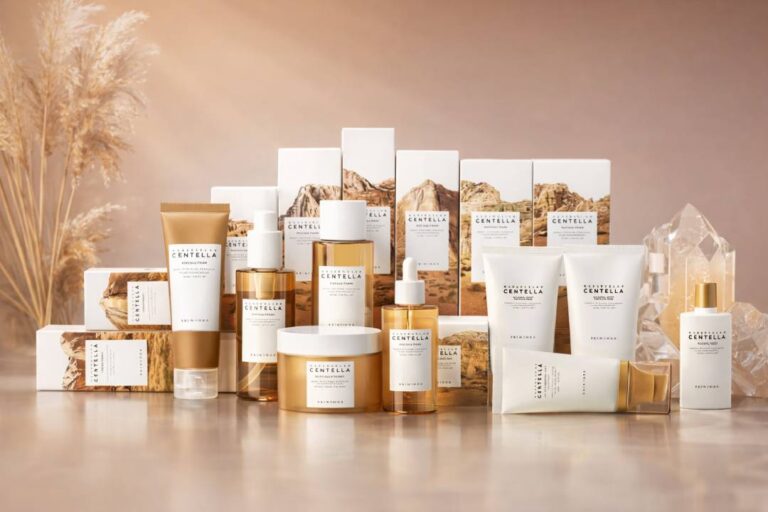
Once How the Divorce Dust Trend Sparked a Glitter Beauty Movement reached mainstream attention, beauty brands responded swiftly. Limited-edition shimmer oils and glow mists launched within weeks. Search data indicated a noticeable increase in demand for body glitter products. However, brands did not only focus on sparkle. They incorporated empowerment messaging into packaging and campaigns. As a result, products aligned with emotional storytelling. In contrast to early-2000s glitter trends, this revival emphasized skin health and subtle radiance. Therefore, the industry adapted strategically.
From Aesthetic Trend to Cultural Narrative
While glitter trends often fade quickly, this movement evolved into something broader. It tapped into themes of independence and reinvention. Furthermore, it reflected a larger 2026 beauty pattern: authenticity over perfection. Consumers now prioritize individuality instead of flawless contouring. Consequently, expressive details like shimmer gained significance. In my observation, beauty trends that connect with identity tend to endure longer. Therefore, Divorce Dust feels less like a passing fad and more like a statement of self-definition.
“Read Also: Wisteria Bangs The Romantic Fringe Trend Dominating Beauty“
Comparison with Previous Glitter Eras
Glitter dominated beauty in the early 2000s. However, it was largely party-focused. Today’s iteration differs significantly. Modern shimmer is often paired with minimal makeup and natural skin. Additionally, the messaging has shifted from spectacle to symbolism. Because of this, How the Divorce Dust Trend Sparked a Glitter Beauty Movement represents evolution rather than repetition. Although nostalgia influences trends, contemporary consumers demand meaning. This difference distinguishes the 2026 movement from earlier glitter waves.
Psychological Impact of Ritual-Based Beauty
Ritual-based beauty routines offer psychological grounding. Applying glitter intentionally can mark emotional transitions. For example, preparing for a date after a breakup feels symbolic. Therefore, the sparkle becomes a reminder of self-worth. Studies on ritual behavior suggest that repeated symbolic actions reinforce confidence. Consequently, Divorce Dust blends aesthetics with emotional wellness. From a personal perspective, this integration explains why the trend resonates deeply with audiences navigating life changes.
The Future of Expressive Beauty Movements
Looking ahead, How the Divorce Dust Trend Sparked a Glitter Beauty Movement may inspire similar symbolic beauty rituals. Brands are increasingly combining storytelling with product design. Moreover, consumers value meaning-driven trends. While glitter itself may evolve into new formats, the empowerment narrative will likely remain. Ultimately, beauty is shifting toward emotional authenticity. In that context, Divorce Dust marks an important milestone. It demonstrates how sparkle can move beyond decoration and become a declaration of confidence.