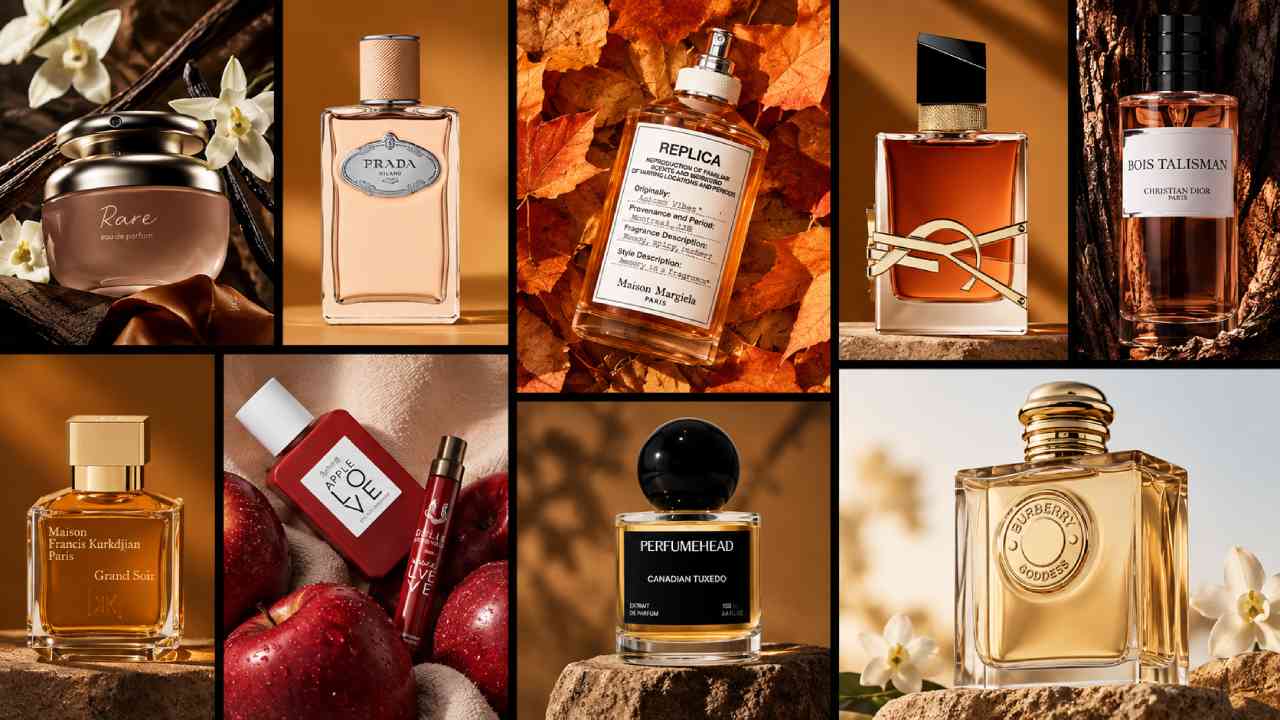
Beauty Rival – Perfume Trends are becoming richer as warm spices and dark fruits gain attention. Instead of relying only on sweet vanilla, modern fragrances now explore more layered combinations. Cardamom can bring gentle heat, while dark berries or plum add depth. Meanwhile, sandalwood and amber often create a smooth base. Together, these notes can make a fragrance feel warm without becoming too heavy. This direction also reflects a wider interest in scents that create a mood. People increasingly want fragrance to feel personal and memorable. Therefore, texture and contrast matter as much as sweetness. A perfume may open with juicy fruit, move into aromatic spices, and finish with soft woods. As a result, each stage can reveal a different character. This layered approach gives seasonal fragrance a fresh identity while keeping the comforting qualities many people enjoy.
Read Also: Inside Zendaya’s Fragrance Ritual and Her Love for Prada Paradoxe
Dark Fruits Give Seasonal Fragrances a More Sophisticated Character
Fruit notes are taking a darker turn. Bright citrus and tropical accords still have their place. However, plum, black cherry, blackberry, fig, and deep apple notes can create a richer impression. They often feel juicy at first, yet their character changes when paired with woods or spices. For example, a dark fruit accord can become smoother beside sandalwood. It may also feel more mysterious when combined with amber or musk. This contrast helps explain why darker fruit profiles work well in cooler seasons. They provide sweetness without always creating a dessert-like effect. Moreover, these notes can bridge fruity, woody, and gourmand fragrance families. That flexibility gives perfumers more room to experiment. For fragrance lovers, the result is equally interesting. A familiar fruit can suddenly feel more elegant when surrounded by deeper ingredients.
Warm Spices Add Energy Without Overpowering the Fragrance
Spices can completely change the personality of a perfume. Cardamom, cinnamon, clove, saffron, and pink pepper each create a different sensation. Yet modern compositions often use them with restraint. Rather than dominating the scent, spices can provide warmth between sweeter and woodier layers. Cardamom is especially versatile because it can feel fresh, aromatic, and gently spicy at the same time. Meanwhile, cinnamon can enhance sweetness, while pink pepper often brings a brighter opening. The balance is important. Too much spice can make a composition feel dense. In contrast, a carefully measured spicy accord can make other notes more expressive. Therefore, many current Perfume Trends focus on contrast instead of intensity alone. Warmth becomes more interesting when it develops gradually rather than appearing all at once.
Vanilla Is Evolving Beyond Traditional Sweetness
Vanilla remains an important part of modern perfumery, but its role continues to evolve. In some fragrances, it creates a creamy gourmand effect. In others, vanilla supports woods, musk, amber, or spices without becoming the main attraction. This versatility allows the familiar ingredient to feel surprisingly different from one perfume to another. For instance, vanilla paired with cedar can feel dry and polished. When combined with caramel, it may become richer and more indulgent. Meanwhile, cardamom can give vanilla a spicy edge. This evolution is significant because consumers already know the comforting character of vanilla. Perfumers can use that familiarity as a foundation before introducing unexpected contrasts. Consequently, the note remains relevant without making every fragrance smell alike. Modern vanilla is less about pure sweetness and more about balance, texture, and atmosphere.
Woody Notes Create a Smooth Foundation for Richer Compositions
Behind many warm fragrances sits a carefully built woody foundation. Sandalwood, cedar, and other woody accords can provide structure while allowing stronger notes to develop naturally. Sandalwood often brings a creamy quality, whereas cedar tends to feel drier and sharper. Both can work beautifully with fruit and spice. Moreover, woody notes help prevent sweet compositions from becoming overwhelming. Imagine a fragrance built around dark plum and vanilla. Adding cedar could introduce contrast and make the sweetness feel cleaner. Likewise, sandalwood could soften a spicy cardamom accord. These relationships show why Perfume Trends cannot be understood by looking at individual notes alone. The interaction between ingredients shapes the overall experience. A fragrance becomes memorable when its layers support one another instead of competing for attention.
Gourmand Fragrances Are Becoming More Complex
Gourmand scents once brought obvious associations with desserts, caramel, chocolate, or vanilla. Today, the category can feel much broader. Sweet notes increasingly meet spices, woods, fruits, and musks. As a result, gourmand fragrances can remain comforting while gaining more complexity. A caramel accord, for example, may sit beside pepper or sandalwood. Similarly, a creamy note can be balanced with smoky woods. These combinations create contrast, which can make sweetness feel more mature. They also allow gourmand perfumes to work across different occasions. Some feel cozy enough for casual evenings, while others develop into polished scents suitable for formal settings. In my view, this flexibility is one reason the gourmand category remains interesting. The strongest compositions do not simply smell sweet. Instead, they create several layers that unfold gradually on the skin.
Fragrance Is Becoming More About Mood and Personal Experience
A perfume does more than provide a pleasant aroma. It can also connect with memory, atmosphere, and emotion. Warm spices may recall a comforting drink, while smoky woods can suggest a fireplace or forest. Dark fruits can bring another mood entirely, especially when paired with musk or amber. However, fragrance remains highly personal. Skin chemistry, temperature, and individual perception can affect how a scent develops. Therefore, testing a fragrance on skin is often more useful than judging it only from a paper strip. Give the perfume time to move beyond its opening notes. After several hours, the base may reveal a completely different personality. This slower approach also fits current Perfume Trends, where layered compositions reward patience. The first impression matters, but the dry-down often tells the fuller story.
Read Also: New Skincare Icons 2026, The Beauty Trends Redefining Modern Skin Care
Seasonal Fragrance Choices Are Becoming Less Restrictive
Traditional fragrance advice often connects fresh citrus with summer and warm amber with colder weather. Those associations can still be useful. Nevertheless, they are not strict rules. A spicy fragrance can work beautifully on a cool evening or in an air-conditioned setting. Likewise, a woody vanilla perfume can remain appealing throughout the year when applied lightly. Modern fragrance culture increasingly encourages personal preference over rigid seasonal categories. This shift gives people more freedom to build a collection around mood rather than weather alone. It also makes Perfume Trends more flexible. Dark fruits and warm spices may become especially visible during cooler seasons, yet their appeal can extend much further. Ultimately, fragrance should fit the person wearing it. Trends can offer inspiration, but individual taste gives a scent its real place in everyday life.
Layered Scents Reflect a More Expressive Approach to Beauty
Beauty has become increasingly connected with personal storytelling, and fragrance fits naturally into that movement. Unlike a visible accessory, perfume creates an impression through scent. Therefore, subtle combinations can say as much as bold ones. Warm spice might create energy, while dark fruit brings richness. Woods can add calmness, and musk can create softness close to the skin. When these elements interact well, the perfume feels less like a single note and more like an evolving experience. This explains why layered compositions continue to attract attention. They offer discovery beyond the first spray. Moreover, they allow wearers to choose fragrances that match different moods and settings. Current Perfume Trends suggest that complexity does not need to mean heaviness. Instead, thoughtful contrast can make a fragrance feel expressive, wearable, and distinctive.
Warm Spices and Dark Fruits Create a New Fragrance Mood
The growing combination of warm spices and dark fruits represents an interesting direction in contemporary fragrance. These notes offer depth, yet they can still feel approachable when balanced carefully. Cardamom brings warmth. Plum or blackberry can introduce juicy richness. Meanwhile, woods, amber, vanilla, and musk can soften the composition as it develops. Together, these ingredients create perfumes that feel cozy without becoming predictable. More importantly, this direction shows how familiar fragrance notes can gain new personalities through creative pairing. Perfume Trends continue to evolve because perfumers keep reconsidering how ingredients interact. For fragrance lovers, that experimentation creates more choices across gourmand, woody, fruity, and spicy styles. Rather than following one dominant scent profile, the current mood celebrates contrast. Warmth meets freshness, sweetness meets wood, and familiar ingredients return in unexpected combinations.