BeautyRival – For decades, Achtung has occupied a special place in Germany’s alternative fashion and culture scene. As one of Berlin’s longest-running indie magazines, it has always thrived on experimentation, critical thinking, and emotional storytelling. Now, with its 50th issue, Achtung is stepping confidently into the world of moving images. The decision to produce fashion films marks a natural evolution rather than a radical break from its roots. In a media landscape where attention shifts quickly, Achtung chooses not to chase trends blindly but to translate its editorial DNA into a new format. The magazine’s expansion into film reflects a deeper desire to stay culturally relevant while preserving its intellectual edge. By embracing motion, sound, and cinematic pacing, Achtung adds another layer to its storytelling, inviting audiences to not just read fashion, but feel it unfold in time and space.
An Intimate Berlin Launch with Cinematic Intent
The debut of Achtung’s fashion films is deliberately intimate and deeply Berlin. Hosted at Château Royal, a boutique hotel in the heart of the city, the launch feels more like a gathering of minds than a commercial event. Guests are invited to a cocktail party and dinner, while the films loop quietly inside one of the hotel rooms. This setting reinforces Achtung’s philosophy: fashion is personal, emotional, and best experienced up close. After the event, the films move beyond the room and onto social media, extending their life and reach. This dual presentation bridges physical and digital worlds, mirroring how modern audiences consume culture. Achtung isn’t just screening films; it’s curating an atmosphere, turning a magazine release into a living, breathing moment of connection.
“Read More : Under Armour Expands No Weigh Line With a Smarter, Lighter Duffel Backpack”
Storytelling Beyond the Runway and the Pose
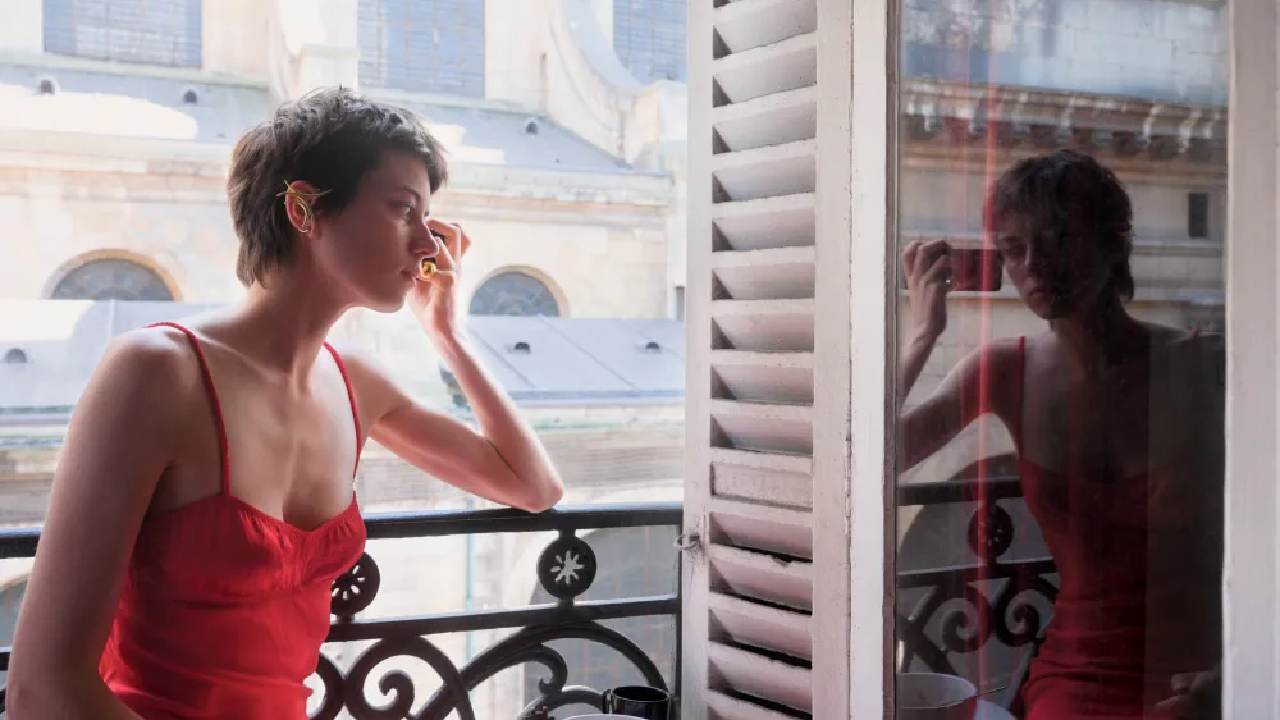
Achtung founder Markus Ebner is clear about what he wanted to avoid: empty visuals without meaning. Inspired by high-concept fashion films like Gucci’s “The Tiger,” Ebner aimed to push past familiar tropes of models simply dancing or posing. The result is narrative-driven work that feels observant and human. One film, “Come as You Are,” follows three young Germans preparing for a Paris party, capturing the universal anxiety of choosing what to wear. The story feels quiet, relatable, and emotionally precise. Fashion becomes a tool for self-expression rather than spectacle. By grounding style in everyday dilemmas, Achtung reframes fashion as lived experience. The films don’t sell clothes; they explore identity, insecurity, and desire elements that have always lived between the pages of the magazine.
Surreal Characters and Editorial Worlds in Motion
The second film takes a more surreal approach, unfolding inside a “love hotel” populated by eclectic characters. A pillow fight erupts, intellectuals appear dissatisfied, and a sugar mummy lounges with her younger lovers. These moments feel strange, playful, and slightly uncomfortable very much in line with Achtung’s alternative spirit. Still images from both films appear as fashion editorials in the magazine, creating a seamless loop between print and film. Each medium enhances the other. The films add depth to the images, while the photographs freeze cinematic moments into iconic frames. This cross-media storytelling strengthens Achtung’s editorial voice and offers readers multiple ways to engage. Fashion becomes narrative, atmosphere, and emotion all at once, rather than a static presentation of trends.
“Read More : Messi Fragrance Is Going Masstige and Redefining Men’s Scent”
From Editor in Chief to Film Director
For Ebner, the process of making fashion films revealed unexpected parallels with magazine publishing. Casting, writing, choosing locations, and working with a director of photography echoed the editorial decisions he has made for years. Yet the experience also pushed him creatively. Directing film required new instincts and a willingness to learn. This creative stretch is part of Achtung’s DNA curiosity over comfort. Ebner describes the process as flexing a different muscle, one that expanded his understanding of storytelling. The role shift didn’t dilute his editorial vision; it sharpened it. By stepping into unfamiliar territory, Ebner reinforced the idea that independent media survives by evolving thoughtfully, guided by intuition, experience, and a strong sense of purpose.
Editing, Adaptation, and the Reality of Digital Platforms
While filming sparked excitement, the real challenge emerged in the editing room. The films had to exist in multiple formats, from longer cinematic cuts to shorter versions suited for platforms like TikTok. Each version needed to stand on its own while preserving narrative integrity. This balancing act reflects a broader issue facing modern media: how to adapt deep storytelling for fast-paced consumption. Achtung approached this challenge with care, refusing to sacrifice meaning for speed. The editing process became an exercise in precision, deciding what to keep, what to cut, and how to maintain emotional impact across formats. By embracing these constraints rather than resisting them, Achtung demonstrates how legacy media can adapt intelligently, ensuring its stories remain relevant in an increasingly fragmented digital world.