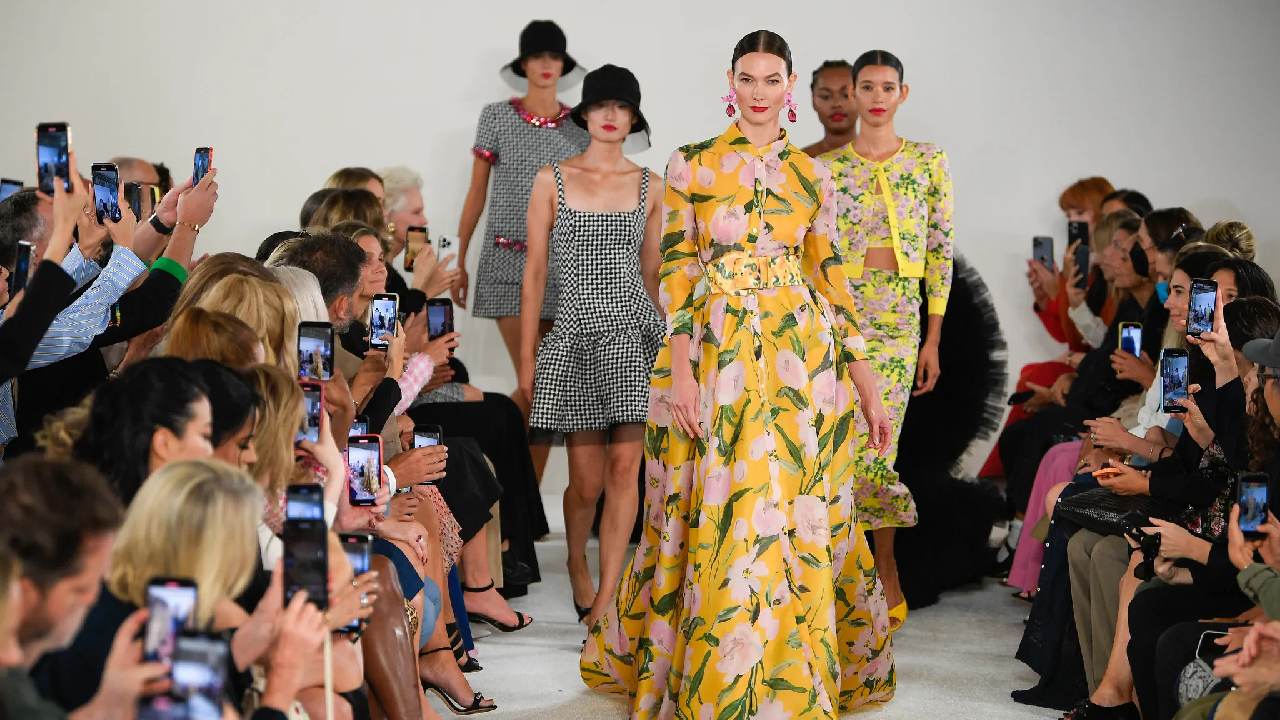
BeautyRival – When the Council of Fashion Designers of America announced its decision to eliminate animal fur from all Official New York Fashion Week Schedule events, the message was clear: the future of fashion is changing. Starting with the September 2026 season, fur will no longer appear on runways, designer calendars or official NYFW channels. The CFDA says the timeline gives creators enough space to redesign collections without disrupting the artistry they stand for. Although fur has already become rare at NYFW shows, this firm policy signals a new era one that prioritizes ethics, sustainability, and accountability. The move follows years of collaboration with Humane World for Animals and Collective Fashion Justice, proving that conversations once whispered backstage are now shaping the global stage.
What the Ban Covers and What It Doesn’t
The CFDA’s new rule is precise, and its boundaries are intentional. Farmed and trapped fur such as mink, fox, rabbit, karakul lamb, chinchilla, coyote, and raccoon dog is prohibited. These are animals raised or hunted specifically for their pelts. However, there is one exception: fur obtained through traditional Indigenous subsistence hunting. The CFDA clarified that leather and shearling remain permitted because their supply chains follow separate production categories. By outlining these distinctions, the organization aims to guide designers through a transition that supports responsible craftsmanship rather than disrupt creative practices entirely. In parallel, the CFDA plans to offer educational materials and a new material library to help designers explore cruelty-free alternatives.
“Read More : Irina Shayk Revives Vintage Glamour in Pucci’s Joyful Holiday Campaign”
Aligning With a Global Ethical Movement
New York is not alone in this shift. London Fashion Week stopped promoting fur in 2023, and fashion weeks across Copenhagen, Berlin, Stockholm, Amsterdam, Helsinki and Melbourne have followed similar paths. Major publications including Condé Nast, Elle and InStyle have already banned fur in editorial and advertising spaces. The CFDA’s choice reinforces a momentum that has been building worldwide. According to CEO Steven Kolb, consumers now demand transparency and expect fashion houses to think beyond aesthetics. With people turning away from products linked to animal cruelty, Kolb believes American designers can lead future innovation by embracing humane alternatives. In a world increasingly guided by values, the runway is becoming a powerful mirror of society’s shifting priorities.
Support and Applause From Ethical Fashion Leaders
For many advocacy groups, this decision marks a long-awaited victory. Emma Hakansson of Collective Fashion Justice praised the CFDA for taking a stand that positions them as industry leaders. She hopes Milan and Paris will soon follow. Humane World for Animals echoed this sentiment, noting that the ban encourages material innovation while ensuring designers don’t sacrifice creativity. PETA responded with characteristic boldness, declaring “Fur is dead,” and celebrating the thousands of supporters who pushed for reform. For these organizations, the CFDA’s decision reflects a broader cultural awakening. They believe this step will push the industry toward a cleaner, kinder, and more progressive future one where fashion celebrates artistry without harming animals.
Critics Raise Concerns About Tradition and Craftsmanship
Yet not everyone agrees with the new direction. Kim Salvo of the American Fur Council argues that the CFDA is abandoning an essential part of fashion’s heritage. She believes fur is a natural, time-tested material and criticizes synthetic alternatives for contributing to fast-fashion waste. According to Salvo, regulated fur farming and certified programs like Furmark provide ethical oversight, allowing the craft to evolve responsibly. She also warns that banning fur undermines artisans, designers, patternmakers and workers whose livelihoods depend on the trade. Her perspective adds complexity to the debate: while activists see the ban as progress, segments of the industry see it as a threat to tradition, culture, and economic stability.
“Read More : Chloe Kim Joins Batiste: A Gen Z Icon Leading a New Era of Athlete Beauty Partnerships”
Activism and Public Pressure Shape the Industry
The CFDA’s decision did not emerge in a vacuum. In recent years, activism around fashion and animal rights has intensified dramatically. PETA protests have disrupted runway shows, shareholder meetings, and even personal residences of fashion editors. These demonstrations, whether peaceful or controversial, have forced brands and institutions to confront ethical questions more urgently. Activists have also targeted major media groups, pressuring them to remove fur and exotic skins from editorial content. While these tactics receive mixed public responses, they undeniably influence industry narratives. The CFDA’s policy reflects not only shifts in consumer demand but also the pressure exerted by rapidly organized, highly visible activist movements.
A Market Already Shifting Toward Alternatives
The rising popularity of faux fur also strengthens the industry’s shift. With a global value of $371 million in 2023 and projections nearing $863 million by 2033, synthetic fur offers designers creative freedom without ethical conflict. New technologies have allowed faux fur to mimic natural textures more convincingly than ever. Designers who once relied heavily on real fur now experiment with plant-based fibers, recycled textiles, and bio-engineered fabrics. As the market evolves, cruelty-free options are becoming mainstream, accessible, and deeply woven into the aesthetic identity of modern fashion. The CFDA’s decision may accelerate this momentum, reinforcing New York’s role as a global center of reinvention.