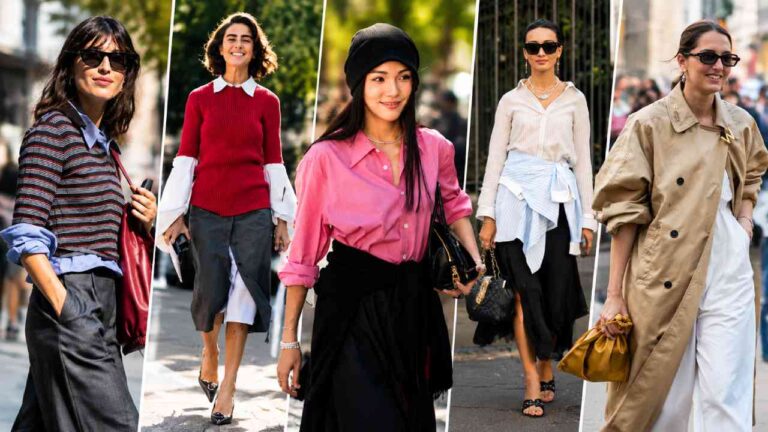
Beauty Rival – Fashion outside New York Fashion Week offered a clear lesson in transitional dressing this season. The strongest outfits did not belong completely to summer or fall. Instead, guests mixed elements from both seasons and created looks that felt practical, modern, and personal. Lightweight skirts appeared beside structured jackets, while open footwear softened heavier layers. Meanwhile, relaxed trousers gave polished tops a more casual attitude. This contrast became one of the most interesting elements of the street-style scene. Transitional dressing often creates a familiar problem because temperatures can change throughout the day. However, these outfits showed that flexibility does not require sacrificing style. Rather than replacing an entire wardrobe when the season changes, people can combine pieces they already own in unexpected ways. As a result, New York’s streets became a useful source of inspiration for anyone navigating the complicated weeks between warm afternoons and cooler evenings.
Read Also: Emmys 2026 Red Carpet Brings Bold Glamour and Modern Elegance
Preppy Fashion Returns With a More Relaxed Personality
Classic collegiate influences returned, but fashion enthusiasts gave them a less predictable identity. Plaid blazers, checked patterns, wool textures, chocolate brown, and burgundy accessories created a clear academic mood. Yet the styling rarely looked like a traditional school uniform. Instead, relaxed proportions and modern accessories brought these familiar pieces into a contemporary wardrobe. A structured blazer, for example, can look formal when paired with matching trousers. However, combining it with an unexpected skirt, casual shoe, or oversized bag immediately changes its personality. This approach explains why preppy dressing continues to evolve rather than disappear. The individual pieces remain recognizable, but their context changes. Moreover, rich brown shades work especially well during seasonal transitions because they introduce autumn warmth without requiring heavy layers. The result feels polished without becoming overly serious. For everyday wardrobes, this trend also offers versatility because many of its core pieces can move easily between work, weekends, and social occasions.
Sportswear and Tailoring Find Common Ground
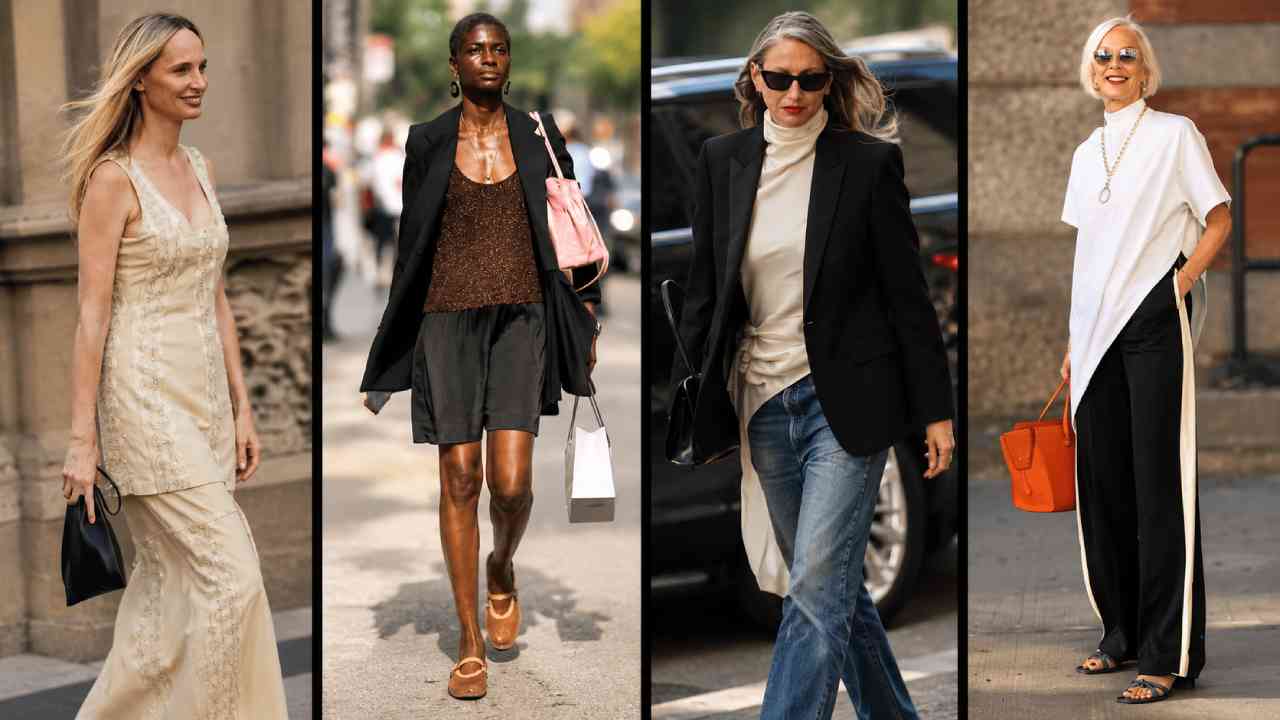
One of the freshest fashion combinations involved sporty pieces meeting sharper tailoring. Wide-leg track pants appeared with more refined tops, while clean accessories prevented the outfits from looking like gym wear. This contrast reflects a wider shift in modern dressing. People increasingly want clothing that offers comfort without appearing careless. Therefore, designers and street-style enthusiasts have become more willing to blur traditional wardrobe categories. Track pants no longer need sneakers and a sweatshirt to make sense. Instead, a structured jacket, sophisticated bag, or polished shoe can completely change their character. The same principle works in reverse. A formal blazer can feel less corporate when paired with relaxed trousers. This balance also makes transitional dressing more practical. Loose layers allow movement, while structured pieces add visual definition. Most importantly, the combination feels natural when proportions remain balanced. Rather than forcing sportswear into a formal setting, the styling allows both influences to exist together and creates an outfit that feels distinctly current.
Bermuda Shorts Move Beyond Their Summer Identity
Bermuda shorts remain part of the fashion conversation, but their styling has started to change with the season. Instead of relying only on linen or denim, street-style looks introduced softer and more polished fabrics. Silky long shorts, for instance, can work with a shimmering tank and blazer to create an outfit that feels ready for changing temperatures. The longer silhouette also provides more visual weight than traditional short shorts. Consequently, it pairs naturally with jackets and substantial accessories. Footwear can then determine the final mood. Light flats preserve a summer feeling, while loafers or boots can push the same outfit closer to fall. This flexibility makes Bermuda shorts surprisingly useful during transitional weeks. More importantly, the trend shows how fabric can redefine a familiar garment. A change in texture can make a summer staple feel appropriate for a different setting or season. That idea offers a practical styling lesson: seasonal dressing often depends as much on material and proportion as it does on the garment itself.
Baggy Jeans Meet the Elegance of Evening Dressing
Denim remains one of the easiest foundations for transitional fashion, yet New York street style gave familiar jeans a more sophisticated direction. Baggy denim appeared alongside draped silk blouses and tuxedo-inspired blazers. The contrast worked because each piece brought a different energy. Loose jeans kept the outfit approachable, while silk and structured tailoring introduced elegance. As a result, the finished look avoided feeling either too casual or excessively formal. This formula also demonstrates why high-low styling remains useful. You do not need every piece to share the same level of formality. In fact, mixing categories can create greater visual depth. Accessories can strengthen that balance. A refined handbag or polished shoe makes loose denim feel intentional rather than unfinished. Meanwhile, minimal jewelry keeps the look from becoming crowded. For people building a versatile wardrobe, this approach has another advantage. Familiar jeans can move into new settings simply by changing what surrounds them, making experimentation easier without requiring an entirely new collection.
Western Details Add Character Without Becoming Costume
Western influences brought another distinctive layer to New York fashion. Leather jackets, statement belts, and bold buckles appeared alongside tailored trousers and urban basics. However, the strongest outfits avoided dressing completely around a cowboy theme. Instead, they used one recognizable Western detail as an accent. This restraint made the trend easier to wear. A large buckle can transform simple trousers and a shirt, while a worn leather jacket adds texture to an otherwise polished outfit. Furthermore, Western elements create an interesting contrast with metropolitan tailoring. One style suggests rugged practicality, while the other communicates precision and structure. Combining them creates tension without making the outfit feel theatrical. This strategy also offers a useful lesson for experimenting with trends. Rather than adopting an aesthetic from head to toe, choose one element that fits naturally into your existing wardrobe. Consequently, the trend becomes personal instead of looking copied directly from a runway or styling reference.
Bold Prints Challenge the Need for Perfect Coordination
Not every standout fashion look relied on quiet neutrals. Some of the most expressive outfits embraced clashing colors and prints. Striped shirts appeared with floral skirts, while playful shoes added another layer of personality. Traditionally, styling advice often encouraged people to match patterns carefully. Yet contemporary street style increasingly treats contrast as a creative tool. The key is not random combination. Instead, successful print mixing usually contains some form of visual connection, such as a repeated color, compatible scale, or similar intensity. This gives the eye something to follow even when the patterns differ. Moreover, mixing prints can make familiar clothes feel completely new. A striped shirt worn repeatedly with jeans suddenly develops another identity beside a floral skirt. That makes experimentation valuable even for people who do not constantly buy new pieces. Fashion becomes less about collecting endless items and more about discovering different relationships between them. Ultimately, confidence and thoughtful balance matter more than following an old matching rule.
Minimalist Dressing Still Holds Its Place
While bold combinations attracted attention, minimalist fashion remained equally relevant. Loose white button-down shirts, relaxed cargo pants, dark leather bags, and understated shoes created outfits with a quieter presence. These looks demonstrated that simplicity does not automatically mean a lack of personality. Instead, proportion and texture become more important when color and decoration remain restrained. An oversized shirt can create movement, while wide trousers establish a strong silhouette. Then, a structured leather accessory adds enough contrast to keep the outfit polished. Minimalist transitional dressing also works well because layers can enter or leave the outfit without disrupting its overall identity. For example, a light jacket can sit over a simple shirt during a cool morning and disappear later in the day. This adaptability matters when weather conditions remain unpredictable. Therefore, minimalism offers more than visual calm. It can also provide a practical wardrobe framework where a smaller selection of versatile pieces creates many different combinations.
Read Also: Beauty Tools 2026: The Innovative Devices Transforming Modern Skincare Routines
Transitional Fashion Is Really About Smarter Layering
Perhaps the clearest lesson from New York street style is that transitional fashion depends on adaptable layers. A barn jacket can sit above a crisp poplin skirt, while leather flip-flops keep the outfit connected to warmer weather. Similarly, a sleeveless top can work with tailored trousers and loafers before an extra layer becomes necessary. These combinations acknowledge a simple reality: transitional weather rarely behaves consistently. Mornings may feel cool, afternoons warm, and evenings chilly again. Therefore, an effective outfit needs room to change. Lightweight layers solve that problem without adding unnecessary bulk. They also create more opportunities for texture and proportion. A short jacket over a longer skirt, for example, produces a different silhouette from an oversized coat. Consequently, layering becomes both functional and creative. Instead of treating seasonal change as a reason to abandon summer clothing, thoughtful styling can extend the life of those pieces while gradually introducing the textures and structure associated with fall.
Personal Styling Becomes More Important Than Following One Trend
The wider message from New York Fashion Week street style is not that everyone needs the same jacket, shoe, or pair of trousers. Instead, fashion appears strongest when people adapt trends to their own wardrobes. Preppy pieces can meet sportswear. Western accessories can sharpen minimal tailoring. Meanwhile, summer skirts can remain useful when paired with autumn layers. This freedom makes transitional dressing especially interesting because no single formula dominates. It encourages people to experiment with clothes they already understand while introducing one unexpected element. From a practical perspective, this approach can also reduce the pressure to rebuild a wardrobe every season. A strong personal style develops through repetition, adjustment, and experimentation. Trends can provide ideas, but they do not need to dictate the entire outfit. New York’s latest street-style combinations illustrate that principle clearly. The most memorable looks often succeed because they feel individual. Ultimately, transitional dressing works best when comfort, weather, personality, and visual balance meet in the same outfit.