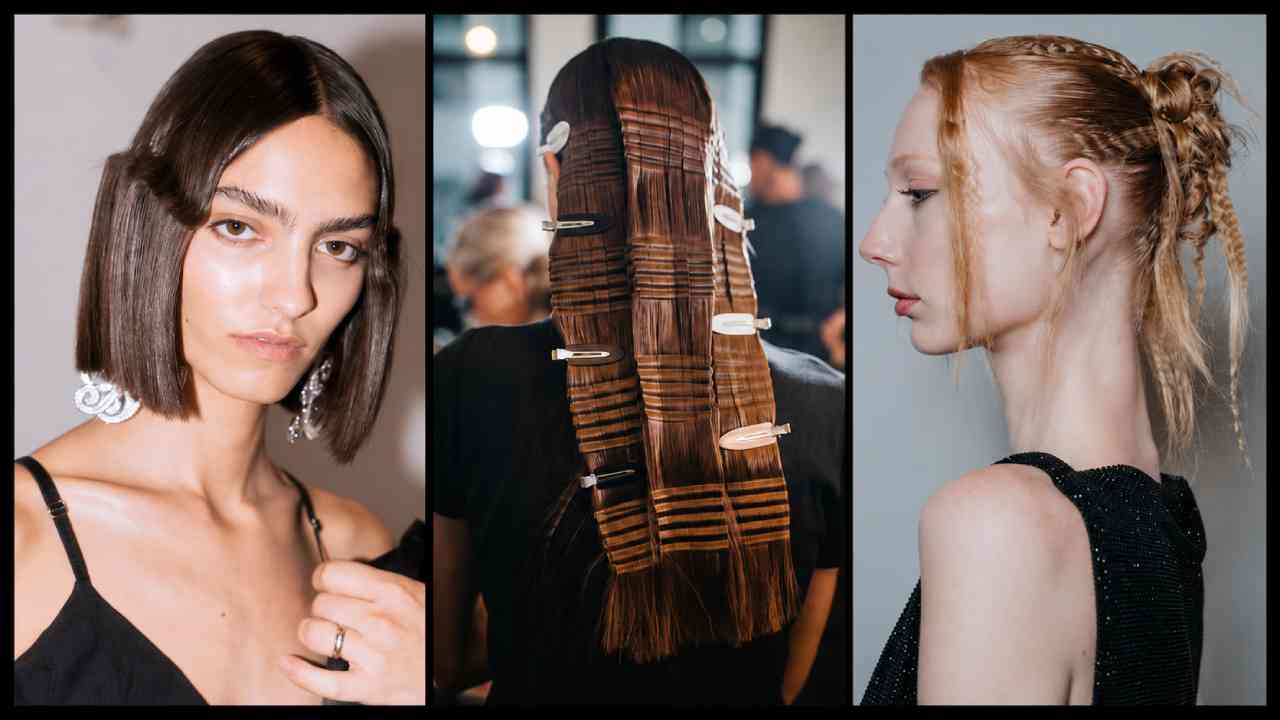
Beauty Rival – Crimped Hair has returned to the beauty conversation, but this comeback feels very different from its retro past. Instead of covering every strand with tight zigzag texture, hairstylists now use crimping as a creative accent. Recent runway looks have mixed textured sections with sleek finishes, soft waves, ponytails, and sculptural shapes. As a result, the hairstyle feels modern rather than nostalgic. This shift also reflects a wider beauty movement. Fashion continues to revisit familiar trends, yet designers rarely bring them back unchanged. Instead, they adjust proportion, texture, and styling to suit current tastes. Crimping fits perfectly into that cycle. It offers visible texture without requiring a dramatic haircut or permanent change. Moreover, the technique can transform even a simple hairstyle. A few textured sections can add movement and personality while keeping the overall look polished.
Read Also: Retro Meets Modern in the Biggest Shoe Trends of 2026
The New Look Moves Beyond Its Retro Reputation
For many people, crimping immediately recalls bold hairstyles from the 1980s and 1990s. Back then, people often crimped most or all of their hair. The result created strong volume and a highly recognizable zigzag pattern. Today, hairstylists take a more selective approach. They may crimp only a few sections while leaving the rest smooth. Others combine crimped strands with loose waves or structured updos. Consequently, the texture becomes a detail rather than the entire hairstyle. This change makes the trend easier to adapt to modern wardrobes. It also removes some of the costume-like feeling that can appear when people recreate a retro hairstyle too literally. Fashion often works best when it references the past without copying it completely. In this case, selective texture gives an old technique a fresh identity.
Runway Styling Gives Crimped Texture a New Personality
Fashion runways have helped reshape how Crimped Hair looks today. Rather than using texture only to create volume, hairstylists now treat it almost like a design element. A crimped section can frame the face, interrupt a sleek ponytail, or add contrast to an otherwise polished style. This approach gives hairstylists more creative freedom. At Christian Siriano, for example, hairstylist Lacy Redway explored a polished interpretation sometimes described as an “enchanted crimp.” Sleek, glossy hair created the foundation, while strategically textured sections introduced a more imaginative finish. The contrast made the crimping stand out without overwhelming the complete look. This technique also demonstrates why the comeback feels relevant. Modern beauty often celebrates contrast. Smooth and textured, polished and undone, or minimal and expressive can exist within the same hairstyle.
Strategic Texture Makes the Trend More Wearable
A trend becomes more interesting when people can adapt it beyond the runway. Fortunately, modern crimping offers plenty of flexibility. Someone who prefers understated hair does not need to crimp every strand. Instead, a few narrow sections can introduce subtle texture. Those sections can sit underneath longer hair, around the face, or inside a ponytail. Meanwhile, people who enjoy stronger beauty statements can use wider crimped panels. The technique also works with different finishes. Sleek roots can create a polished effect, while soft waves make the texture feel relaxed. Therefore, crimping no longer belongs to one specific aesthetic. It can look romantic, edgy, futuristic, or playful depending on the styling around it. That versatility gives the trend a stronger chance of moving from fashion shows into everyday beauty routines.
Sleek Hair and Crimped Sections Create Strong Contrast
One reason the updated trend looks fresh comes from contrast. Completely crimped hair creates one consistent texture from top to bottom. However, modern styling often places crimped sections next to smooth hair. That difference immediately catches the eye. Glossy roots can make textured lengths appear more deliberate. Likewise, a sleek ponytail can gain dimension when several strands feature a zigzag pattern. This balance also prevents the hairstyle from becoming visually heavy. Instead of competing for attention, each texture supports the other. From a styling perspective, this technique follows a familiar fashion principle. Contrast creates interest. Designers regularly combine structured pieces with soft fabrics or neutral colors with bold accents. Hairstylists can achieve a similar effect by mixing different textures within one look.
Ponytails and Updos Offer an Easy Way to Try It
People who feel unsure about a full crimped hairstyle can start with a ponytail or updo. These styles naturally divide the hair into sections, which makes experimentation easier. For example, someone can keep the crown smooth while adding texture to parts of a low ponytail. A bun can also include several crimped pieces for extra dimension. Hairstylists can even combine crimping with irregular waves to create a softer finish. This approach feels especially practical because it does not require a complete beauty transformation. Instead, texture becomes an accessory within the hairstyle. Moreover, the technique can refresh familiar looks. A standard ponytail suddenly gains more character when contrasting textures appear through the lengths. Therefore, the trend can work for people who enjoy experimentation without wanting an extreme result.
Face-Framing Crimps Bring an Artistic Edge
Some runway interpretations push the trend beyond traditional hairstyling. Instead of simply adding volume, hairstylists use crimped sections to emphasize facial structure. Carefully positioned strands can draw attention toward the eyes, cheekbones, or jawline. In that sense, hair begins to work almost like an accessory. This artistic approach appeared in more avant-garde runway styling, where structured pieces created unusual shapes around the face. Such looks may feel too dramatic for everyday wear. However, runway beauty often works as a laboratory for ideas rather than a direct instruction manual. Consumers can borrow one small element instead of recreating the entire look. A softer face-framing crimp, for example, can capture the same creative spirit without becoming theatrical. That ability to scale a runway idea up or down makes the trend surprisingly versatile.
Crimped Hair Fits the Current Love for Texture
Beauty trends have increasingly embraced visible texture. Perfectly uniform hair still has its place, but many current styles celebrate movement and individuality. Soft waves, fluffy blowouts, wet-look finishes, curls, and intentionally imperfect updos all play with texture in different ways. Crimped Hair naturally fits into this environment. Its zigzag pattern creates immediate dimension and changes how light moves across the hair. Even a small section can make a hairstyle appear more detailed. Furthermore, texture photographs well, which matters in a visual culture shaped by social media and fashion imagery. However, the trend offers more than a striking photograph. It gives people another way to personalize familiar hairstyles. Instead of changing color or length, they can temporarily change the surface and shape of their hair.
Hair Health Still Matters When Using Heated Tools
Crimping usually relies on heat, so technique matters as much as appearance. Frequent exposure to high temperatures can leave hair dry or fragile. Therefore, anyone trying the trend should approach heat styling carefully. Start with completely dry hair and use an appropriate heat-protection product before styling. Next, choose the lowest effective temperature for your hair type rather than automatically selecting the hottest setting. Avoid repeatedly pressing the same section if one pass creates enough texture. In addition, give the hair time between intensive heat-styling sessions. People with bleached, damaged, or particularly fragile hair may need even more caution. A fashionable result should not require unnecessary stress on the hair. Ultimately, thoughtful preparation can make experimental styling more enjoyable while helping maintain softness and manageability.
Read Also: Kérastase Embraces Hair Longevity With a Scalp-First Approach
Modern Crimping Does Not Need to Look Perfect
Another appealing part of the comeback is its relaxed attitude toward precision. Older crimping styles often aimed for a consistent pattern across the entire head. Modern interpretations can look more interesting when the texture varies. One section may feature stronger definition, while another blends into a loose wave. This irregularity creates movement and prevents the style from appearing overly controlled. It also makes home styling more approachable. Users do not necessarily need perfectly identical sections to capture the trend. Instead, they can experiment with placement and intensity. Of course, deliberate styling still matters. Random texture without balance can look unfinished. However, slight variation often gives the hair a more editorial quality. In this sense, the trend reflects a broader shift toward beauty that feels expressive rather than perfectly uniform.
Nostalgia Works Best When Fashion Moves It Forward
Fashion repeatedly returns to earlier decades because familiar styles carry emotional and visual impact. Yet successful revivals usually introduce something new. Crimped Hair illustrates that process clearly. The recognizable zigzag texture remains, but hairstylists have changed how and where they use it. Instead of recreating an entire retro hairstyle, they treat crimping as one element within a larger design. This approach makes nostalgia feel relevant rather than repetitive. It also gives younger audiences a chance to interpret the technique without copying an era they never experienced firsthand. Meanwhile, people who remember the original trend can revisit it in a more polished way. That combination of familiarity and reinvention often drives strong beauty comebacks.
Crimped Hair Returns With More Freedom Than Before
The latest Crimped Hair revival feels less like a strict trend and more like an invitation to experiment. There is no single correct way to wear it. Some people may prefer subtle textured strands hidden beneath smooth hair. Others may choose bold face-framing sections or a heavily textured ponytail. Either way, the modern approach focuses on placement, contrast, and personality. That flexibility separates today’s version from its retro predecessor. More importantly, it shows how beauty trends can evolve without losing their original character. Crimping still delivers the playful texture that made it memorable decades ago. However, contemporary styling gives it more polish and versatility. For anyone looking to refresh a familiar hairstyle without committing to a major cut or color change, this unexpected comeback offers plenty of creative possibilities.